Industrie
Traitement des effluents de pâte et papier
Élimination de la couleur, de la DCO et des AOX pour les usines de pâte, les papeteries et la fabrication de papier hygiénique au Canada.
🤖 Aperçu IA
Les effluents de pâte et papier contiennent une DCO élevée (500-3 000 mg/L), de la couleur, des halogénures organiques adsorbables (AOX) et des composés dérivés de la lignine qui sont résistants au traitement biologique. BioTerraVa conçoit des systèmes biologiques intégrés et d'oxydation avancée qui assurent la conformité à la Loi sur les pêches tout en minimisant les coûts d'exploitation.
Défis industriels
Pulp & Paper Effluent Challenges
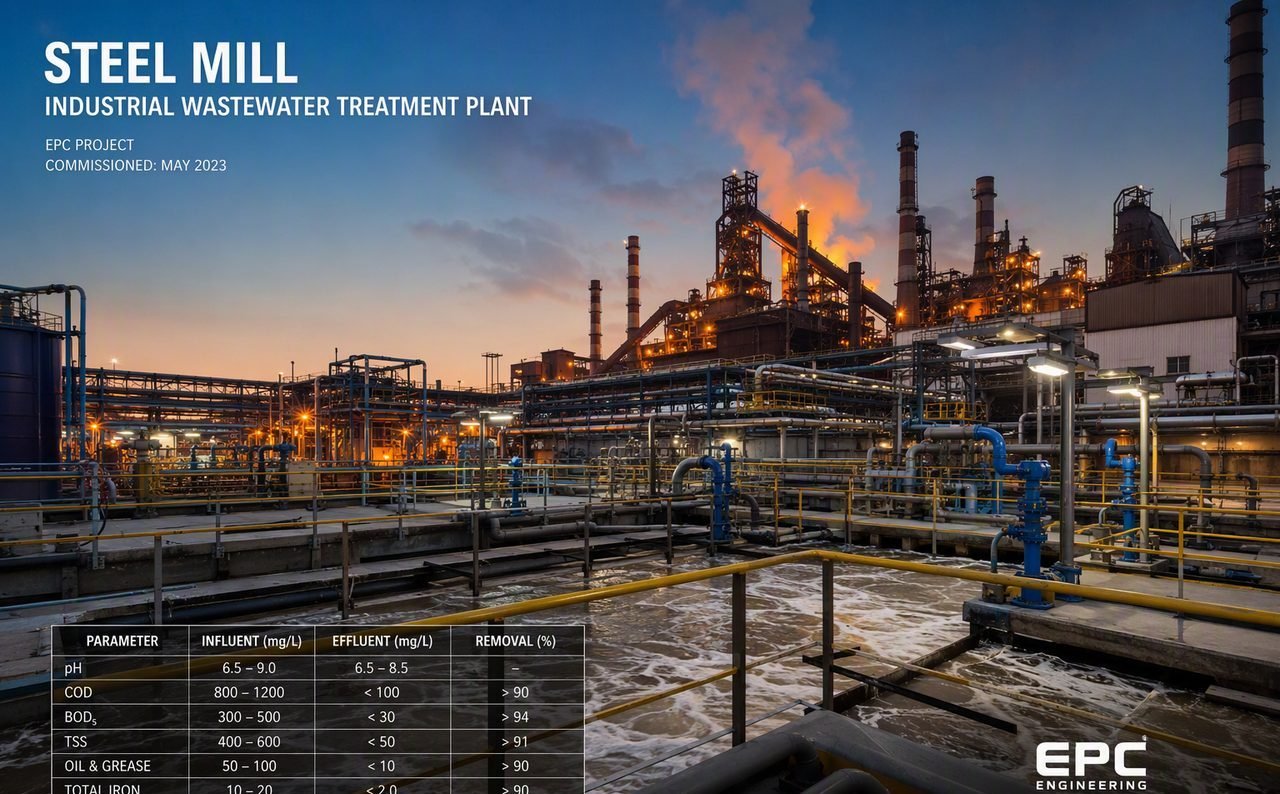
Pulp and paper mills generate large volumes of effluent with high organic loads, intense colour, and chlorinated organic compounds. Regulatory requirements under the Fisheries Act and provincial regulations demand high treatment efficiency.
- High COD (500-3,000 mg/L) from lignin and wood extractives
- Intense colour (1,000-5,000 PCU) from lignin and dyes
- AOX from chlorine bleaching processes
- High TSS from fibre loss and fillers
- Variable pH from acid and alkaline cleaning cycles
Solutions BioTerraVa
Pulp & Paper Treatment Solutions
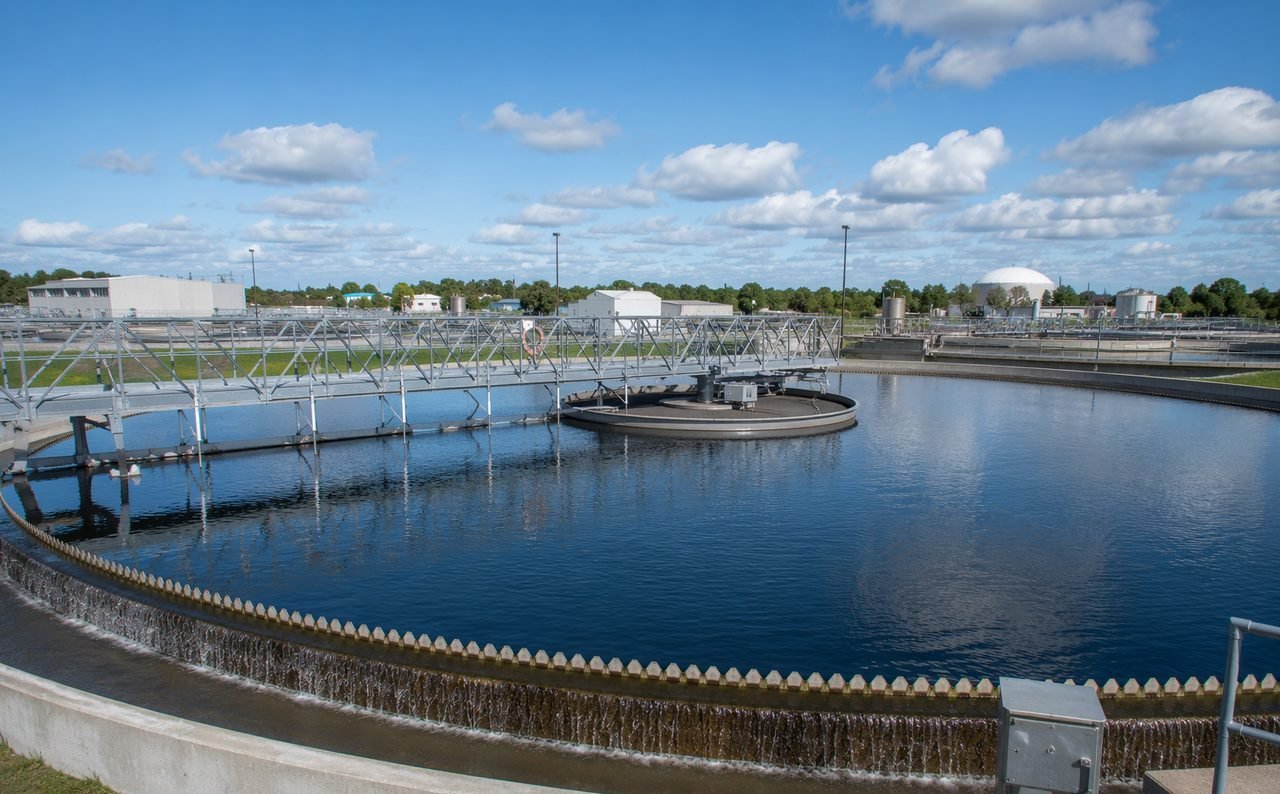
BioTerraVa designs treatment systems for pulp and paper effluent that combine primary clarification, high-rate biological treatment, and advanced oxidation for colour and AOX removal. Our designs account for the seasonal variability and production cycle impacts typical of the industry.
- Primary clarification for fibre and filler recovery
- Anaerobic pre-treatment for high-COD streams with biogas recovery
- Aerobic biological treatment (activated sludge or MBBR) for COD/BOD removal
- Advanced oxidation (ozone, UV/H2O2) for colour and AOX destruction
- Tertiary filtration for final polishing and TSS removal
Conformité
Pulp & Paper Regulatory Requirements
Pulp and paper mills in Canada are regulated under the Pulp and Paper Effluent Regulations (PPER) under the Fisheries Act. Key parameters include: acute lethality (LC50), BOD, TSS, and dioxins/furans. US mills are subject to EPA Cluster Rules.
- Canadian Pulp and Paper Effluent Regulations (Fisheries Act)
- Acute lethality testing (LC50 > 100% effluent)
- BOD and TSS limits with monthly averaging
- Dioxin and furan limits for bleached kraft mills
- US EPA Cluster Rules for air and water emissions
Étude de cas
Kraft Mill Reduces Colour by 95% and AOX by 85%
Problème : A northern Ontario kraft mill was struggling with colour exceedances (2,500 PCU vs. 150 PCU limit) and AOX levels of 1.2 mg/L (limit 0.5 mg/L). The existing activated sludge system could not handle the recalcitrant organics.
Solution : BioTerraVa designed an upgrade: MBBR retrofit in existing aeration basins + ozone AOP for colour and AOX destruction + cloth media filtration for TSS polishing.
Résultats : Colour reduced from 2,500 to 120 PCU (95% removal). AOX reduced from 1.2 to 0.15 mg/L (87% removal). TSS < 10 mg/L. Energy costs reduced 15% through optimized aeration. Payback: 3.2 years.
Obtenez une évaluation gratuite pour votre installation
Parlez avec un ingénieur principal au sujet de vos défis d'effluents spécifiques.
Réservez une consultation gratuite de 30 minutes →Ressources connexes
FAQ
Questions fréquemment posées
How to reduce colour in pulp and paper effluent?
Pulp and paper effluent colour is caused by lignin and its derivatives, which are resistant to biological degradation. Effective colour removal methods: (1) Advanced oxidation with ozone or UV/H2O2, (2) Coagulation-flocculation with alum or ferric chloride, (3) Adsorption on activated carbon or specialized resins, and (4) Biological pre-treatment to reduce COD before chemical colour removal. BioTerraVa typically designs ozone AOP systems that achieve >90% colour removal while simultaneously destroying AOX.
What is AOX in pulp and paper wastewater?
AOX (Adsorbable Organic Halides) measures the total amount of chlorine-substituted organic compounds in wastewater, primarily from chlorine bleaching processes. AOX is toxic to aquatic life and persistent in the environment. Canadian regulations limit AOX to 0.5-1.0 mg/L for bleached kraft mills. AOX is removed through: substitution of chlorine with chlorine dioxide or oxygen-based bleaching, biological degradation in extended aeration systems, and advanced oxidation for recalcitrant fractions.
How to treat high COD pulp mill effluent?
High COD pulp mill effluent (500-3,000 mg/L) is best treated with a combination of anaerobic and aerobic biological processes. Anaerobic pre-treatment removes 60-80% of COD while producing biogas for energy recovery. The remaining COD is removed in aerobic activated sludge or MBBR systems. For mills with COD >2,000 mg/L, anaerobic digestion is essential for cost-effective treatment. BioTerraVa designs integrated anaerobic-aerobic systems that maximize COD removal while minimizing energy and sludge costs.
Parlez avec un P.Eng. qui fait cela depuis 36 ans
Domestique ou industriel, municipal ou communauté autochtone — la première consultation de 30 minutes est gratuite.
Réservez votre consultation gratuite →