Technology
Anaerobic Digestion & Biogas Recovery
High-strength wastewater treatment with biogas energy recovery for food, beverage, pulp & paper, and agricultural applications.
🤖 AI Overview
Anaerobic digestion treats high-COD wastewater (1,000-50,000 mg/L) while producing biogas containing 60-70% methane. BioTerraVa designs anaerobic systems that remove 60-85% of COD, generate renewable energy, and produce 50-70% less sludge than aerobic treatment.
The Challenge
High-COD Wastewater Challenges
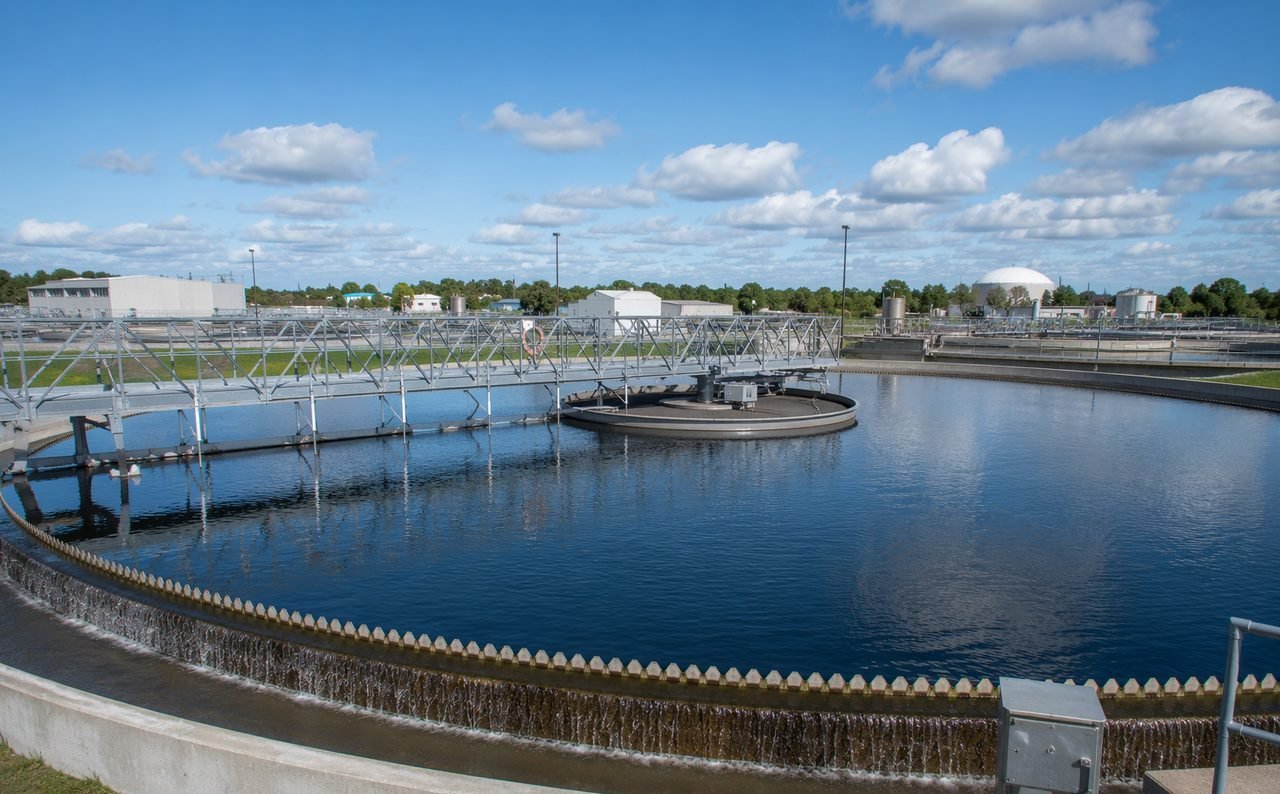
High-strength industrial wastewater with COD >1,000 mg/L is expensive to treat aerobically due to high energy demand for aeration and large sludge production. Anaerobic treatment offers a cost-effective alternative.
- High aeration energy costs for aerobic treatment of concentrated waste
- Large sludge volumes from aerobic biological processes
- Nutrient imbalance in high-COD streams affecting biological treatment
- Odour and foaming issues in aerobic systems
- Loss of organic energy potential in aerobic treatment
The Solution
Anaerobic Digestion Solutions
BioTerraVa designs anaerobic treatment systems tailored to industrial wastewater characteristics. Our designs maximize biogas production, ensure stable operation, and integrate with downstream aerobic polishing.
- UASB (Upflow Anaerobic Sludge Blanket) for high-strength soluble COD
- Anaerobic filters for streams with high suspended solids
- CSTR (Continuously Stirred Tank Reactor) for complex industrial waste
- Biogas collection, treatment, and energy recovery systems
- Post-treatment aerobic polishing for effluent quality
Technical Specifications
How It Works
UASB
High-rate anaerobic treatment for soluble COD.
Anaerobic Filter
Attached-growth anaerobic process with media support.
Biogas Recovery
Collection, H2S removal, and CHP generation.
CSTR
Complete mix anaerobic digestion for complex waste.
Performance
Anaerobic Treatment Results
60-85%
COD removal
60-70%
CH4 in biogas
50-70%
Less sludge
3-7yr
Energy payback
BioTerraVa anaerobic systems deliver 60-85% COD removal with renewable biogas energy recovery. Combined energy savings and revenue typically achieve 3-7 year payback on capital investment.
Related Resources
Industries Served
FAQ
Frequently Asked Questions
What is anaerobic digestion in wastewater treatment?
Anaerobic digestion is a biological process that breaks down organic matter in the absence of oxygen, producing biogas (60-70% methane) and stabilized biosolids. In wastewater treatment, anaerobic processes (UASB, anaerobic filters, CSTR) are used for high-COD industrial wastewater. They offer advantages over aerobic treatment: lower energy consumption (no aeration), less sludge production (50-70% less), and biogas energy recovery.
How much biogas can be produced from wastewater?
Biogas production depends on COD concentration and anaerobic process efficiency. Typical yields are 0.3-0.5 m³ biogas per kg COD removed, with biogas containing 60-70% methane. For a food processing plant treating 1,000 m³/d at 5,000 mg/L COD with 80% removal, biogas production would be 1,200-2,000 m³/d. This biogas can generate 2,400-6,000 kWh/day of electricity through combined heat and power (CHP) systems.
Is anaerobic treatment better than aerobic?
Anaerobic treatment is better than aerobic for high-COD wastewater (>1,000 mg/L) because it: (1) Uses no aeration energy, (2) Produces 50-70% less sludge, (3) Generates biogas for energy recovery, and (4) Can handle higher organic loading rates. However, anaerobic effluent quality is poorer than aerobic (higher residual COD, no nutrient removal), so aerobic polishing is usually required. For low-COD wastewater (<500 mg/L), aerobic treatment is generally preferred.
Speak With a P.Eng. Who Has Done This for 36 Years
Get a free 30-minute consultation. Response within 1 business day, no obligation.
Book Your Free Consultation →