Technologie
Traitement et destruction des PFAS
Solutions pour contaminants émergents pour la remédiation des PFAS dans les eaux souterraines, les effluents industriels et les lixiviats de sites d'enfouissement.
🤖 Aperçu IA
Les PFAS (substances per- et polyfluoroalkylées) sont des contaminants persistants et bioaccumulatifs trouvés dans les eaux souterraines, les effluents industriels et les lixiviats de sites d'enfouissement. BioTerraVa évalue et met en œuvre les technologies de traitement des PFAS les plus efficaces basées sur la longueur de chaîne, la concentration et les exigences réglementaires, de l'adsorption sur CAG aux procédés avancés de destruction.
Le défi
The PFAS Challenge
PFAS are called 'forever chemicals' because their strong carbon-fluorine bonds resist natural degradation. They are found in firefighting foam (AFFF), industrial processes, food packaging, and consumer products. Regulatory limits are tightening rapidly.
- PFAS detected in groundwater at thousands of sites across North America
- EPA health advisory level of 4 ppt for PFOA and PFOS in drinking water
- Bioaccumulation in humans and wildlife with potential health effects
- Conventional treatment (biological, precipitation) ineffective for PFAS
- Rapidly evolving regulations creating compliance uncertainty
La solution
PFAS Treatment Technologies
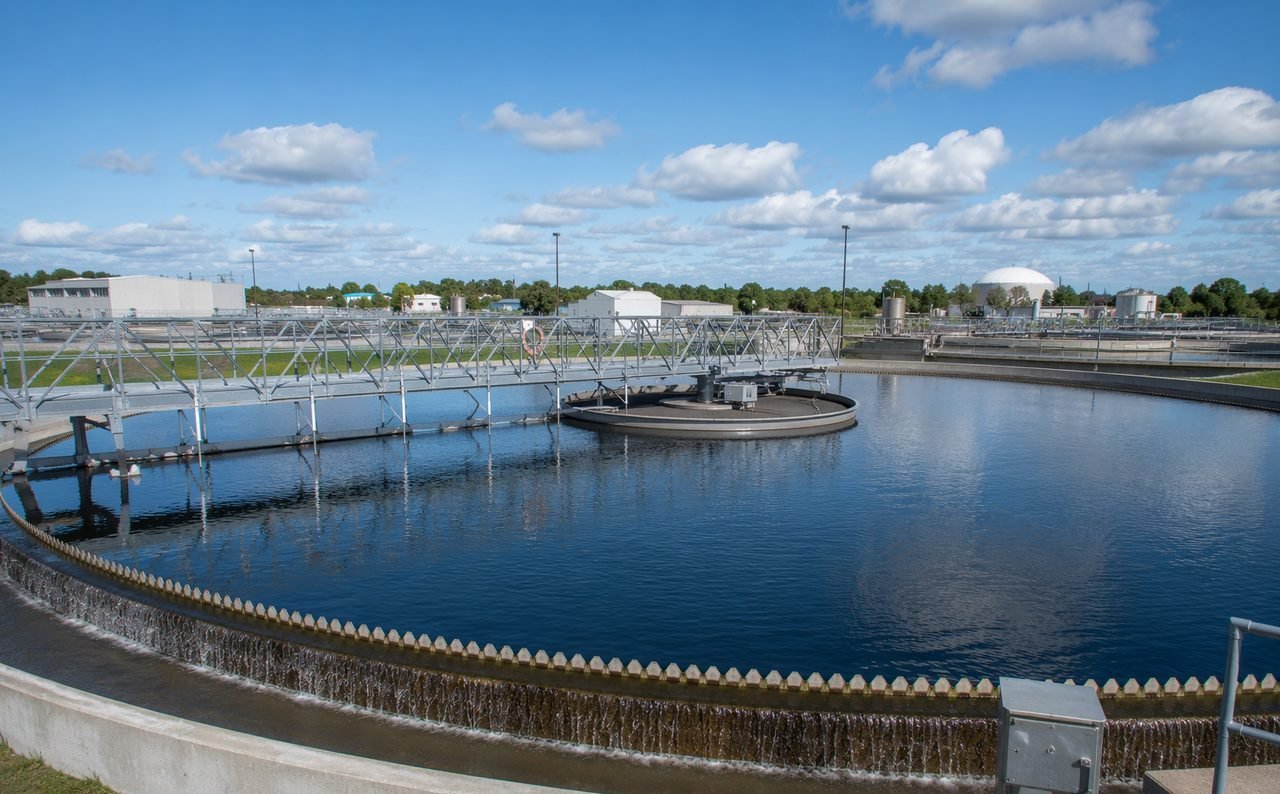
BioTerraVa evaluates and implements PFAS treatment based on site-specific conditions. For drinking water and low-concentration applications, GAC and ion exchange are proven technologies. For high-concentration industrial streams, advanced destruction processes are emerging.
- Granular activated carbon (GAC) for long-chain PFAS (PFOA, PFOS)
- Ion exchange resins for short-chain PFAS and high-capacity removal
- Reverse osmosis for comprehensive PFAS rejection in water reuse
- Electrochemical oxidation for PFAS destruction in concentrated streams
- Thermal treatment (incineration) for PFAS-laden residuals
Spécifications techniques
Comment ça fonctionne
GAC Adsorption
Proven technology for long-chain PFAS in drinking water.
Ion Exchange
High-capacity removal of short-chain PFAS compounds.
Reverse Osmosis
Comprehensive PFAS rejection for water reuse applications.
Electrochemical Oxidation
Emerging destruction technology for concentrated PFAS streams.
Performance
PFAS Treatment Performance
>99%
GAC removal
<4ppt
Effluent achievable
Proven
GAC technology
Emerging
Destruction tech
BioTerraVa provides PFAS treatment solutions ranging from proven GAC systems for drinking water compliance to emerging destruction technologies for industrial remediation. We stay current with evolving regulations to ensure long-term compliance.
Ressources connexes
Industries desservies
FAQ
Questions fréquemment posées
What are PFAS and why are they a concern?
PFAS (per- and polyfluoroalkyl substances) are a group of man-made chemicals used since the 1940s in firefighting foam, non-stick coatings, waterproof fabrics, and food packaging. They are called 'forever chemicals' because they persist indefinitely in the environment. Health concerns include: elevated cholesterol, thyroid disease, reduced immune response, and certain cancers. PFAS have been detected in drinking water at thousands of sites across North America, prompting EPA action and state-level regulations.
How to remove PFAS from water?
PFAS removal from water requires specialized treatment: (1) Granular activated carbon (GAC) is effective for long-chain PFAS (PFOA, PFOS) with >99% removal, (2) Ion exchange resins remove short-chain PFAS more effectively than GAC, (3) Reverse osmosis rejects >99% of all PFAS but produces a concentrated brine, (4) Advanced oxidation has limited effectiveness for PFAS mineralization, and (5) Emerging technologies like electrochemical oxidation show promise for PFAS destruction. BioTerraVa designs treatment trains based on site-specific PFAS profiles.
What are the EPA PFAS regulations?
The EPA has established a health advisory level of 4 parts per trillion (ppt) for PFOA and PFOS in drinking water. In 2024, EPA finalized enforceable Maximum Contaminant Levels (MCLs) of 4 ppt for PFOA and PFOS, with a hazard index for four additional PFAS (PFNA, PFHxS, PFBS, GenX). For wastewater, EPA is developing effluent limitation guidelines for PFAS manufacturing and use sectors. BioTerraVa monitors regulatory developments and designs treatment systems that meet current and anticipated future standards.
Parlez avec un P.Eng. qui fait cela depuis 36 ans
Obtenez une consultation gratuite de 30 minutes. Réponse sous 1 jour ouvrable, sans obligation.
Réservez votre consultation gratuite →