Technology
Nutrient Recovery Technology
Turn phosphorus and nitrogen from wastewater into valuable struvite fertilizer while achieving ultra-low effluent nutrient limits.
🤖 AI Overview
Nutrient recovery extracts phosphorus and nitrogen from wastewater as struvite (magnesium ammonium phosphate), a slow-release fertilizer with commercial value. BioTerraVa's proprietary mineral media naturally promotes struvite formation, turning nutrient removal from a cost center into a revenue stream while achieving effluent phosphorus <0.1 mg/L.
The Challenge
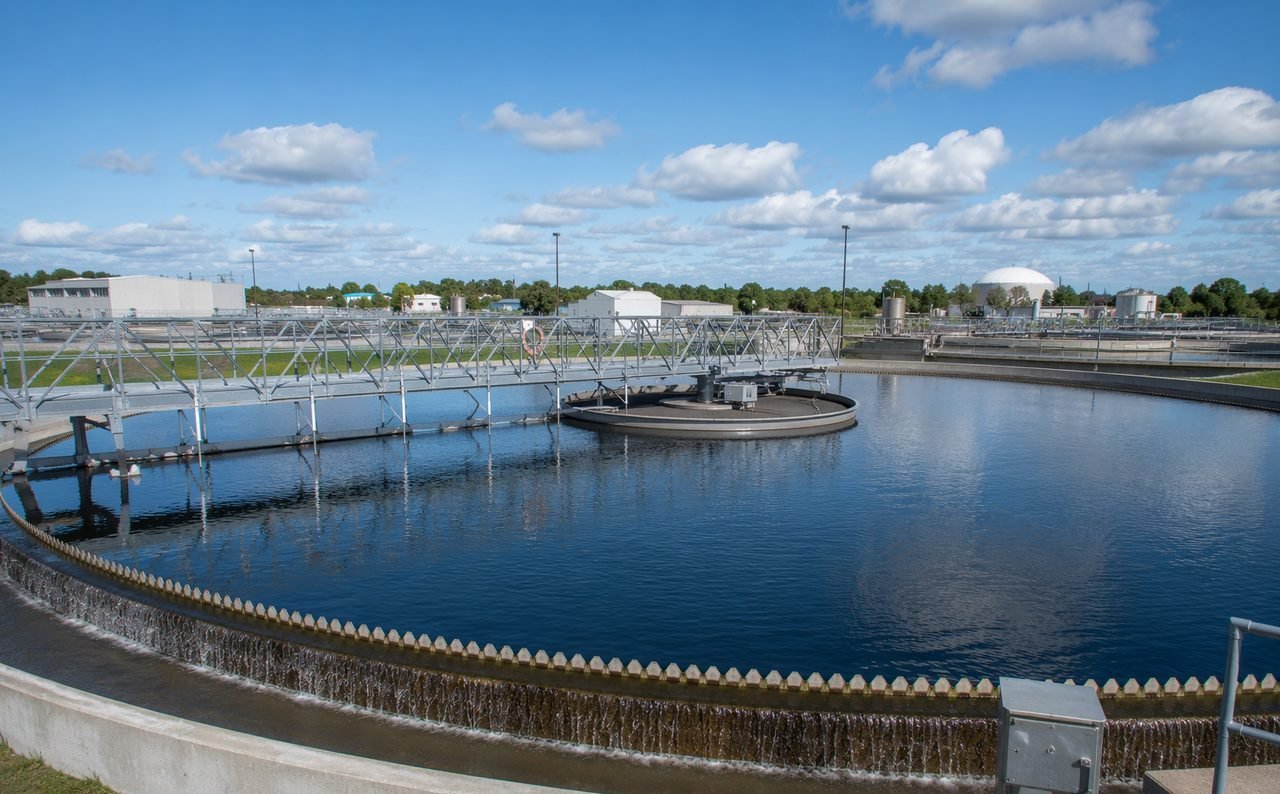
The Phosphorus Challenge
Phosphorus removal is increasingly required for Great Lakes protection and eutrophication control. Conventional chemical precipitation generates large volumes of metal-phosphate sludge with no value, while biological removal struggles to consistently achieve <0.1 mg/L.
- Stringent phosphorus limits (<0.1 mg/L) in Great Lakes basin
- High chemical costs for alum/ferric precipitation
- Large sludge volumes from metal-phosphate precipitation
- Biological phosphorus removal inconsistent in cold climates
- Nutrient disposal costs with no recovery value
The Solution
Struvite Recovery Systems
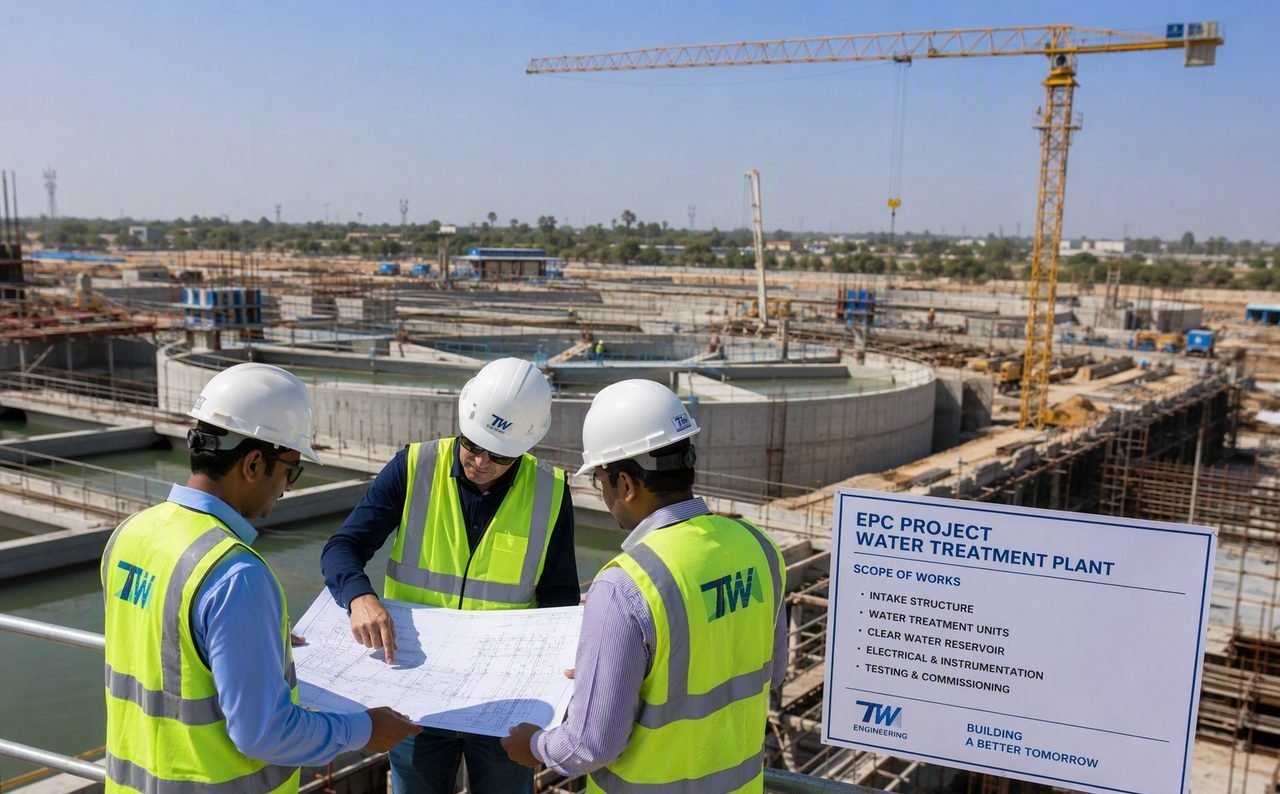
BioTerraVa designs struvite recovery systems that crystallize phosphorus and ammonia from wastewater into a valuable slow-release fertilizer. Our systems achieve <0.1 mg/L phosphorus while generating revenue from struvite sales.
- Proprietary mineral media promoting struvite crystallization
- Fluidized bed crystallizers for high-purity struvite production
- Automated magnesium dosing and pH control
- Effluent phosphorus <0.1 mg/L without alum or ferric
- Struvite sales offsetting 20-40% of operating costs
Technical Specifications
How It Works
Struvite Crystallization
Controlled precipitation of MgNH4PO4·6H2O in fluidized beds.
Mineral Media
Proprietary BOFS-based media promoting nutrient recovery.
Fluidized Bed
High-rate crystallizers with automatic harvesting.
Nutrient Analytics
Online P and N monitoring for process control.
Performance
Nutrient Recovery Results
<0.1
mg/L phosphorus
20-40%
Cost offset
99%
P recovery
5N-1P
Struvite NPK
BioTerraVa nutrient recovery systems transform phosphorus from a disposal cost into a revenue stream. Clients achieve <0.1 mg/L phosphorus compliance while generating $20,000-$100,000/year in struvite sales.
Related Resources
Industries Served
FAQ
Frequently Asked Questions
What is nutrient recovery from wastewater?
Nutrient recovery is the process of extracting valuable nitrogen and phosphorus from wastewater and converting them into reusable products, primarily struvite (magnesium ammonium phosphate hexahydrate). Struvite is a slow-release fertilizer with an NPK value of approximately 5-28-0 plus 10% magnesium. The recovery process uses magnesium addition and pH adjustment to precipitate phosphorus and ammonia in crystalline form, which is then harvested, dried, and sold as fertilizer.
How much does struvite recovery cost?
Struvite recovery operating costs range from $0.30-$0.80 per m³ treated, depending on influent phosphorus concentration and magnesium reagent cost. Capital costs are $3,000-$8,000 per m³/d of capacity. Revenue from struvite sales typically offsets 20-40% of operating costs. For plants with phosphorus limits <0.1 mg/L, struvite recovery is often more cost-effective than chemical precipitation when total lifecycle costs are considered.
What is the value of recovered struvite?
Recovered struvite has a commercial value of $200-$600 per tonne as a slow-release fertilizer, depending on purity and market conditions. It is valued for its: (1) Low solubility preventing nutrient runoff, (2) Slow release matching plant uptake, (3) Neutral pH suitable for all crops, and (4) Magnesium content beneficial for soil health. BioTerraVa's high-purity crystallization process produces premium-grade struvite suitable for agricultural and horticultural markets.
Speak With a P.Eng. Who Has Done This for 36 Years
Get a free 30-minute consultation. Response within 1 business day, no obligation.
Book Your Free Consultation →