Service
Systèmes de traitement physico-chimique
Coagulation, floculation, précipitation et adsorption pour l'élimination des métaux lourds, du phosphore et des contaminants émergents.
🤖 Aperçu IA
Le traitement physico-chimique est essentiel pour éliminer les contaminants dissous que les procédés biologiques ne peuvent pas traiter. BioTerraVa conçoit des systèmes de coagulation-floculation, de précipitation chimique et d'adsorption pour les métaux lourds, le phosphore, la couleur et les contaminants émergents incluant les PFAS et les microplastiques.
Le problème
When Biology Isn't Enough
Many industrial contaminants are resistant to biological degradation or toxic to microorganisms. Heavy metals, phosphorus, colour, and emerging contaminants require physical-chemical treatment approaches that complement biological systems.
- Heavy metals (Cr, Ni, Zn, Cu, Pb) that poison biological systems
- Phosphorus limits as low as 0.1 mg/L in Great Lakes basin
- Colour and recalcitrant organics from textile and dye operations
- PFAS and other emerging contaminants not biodegradable
- Oil and grease that smother biofilm and clog equipment
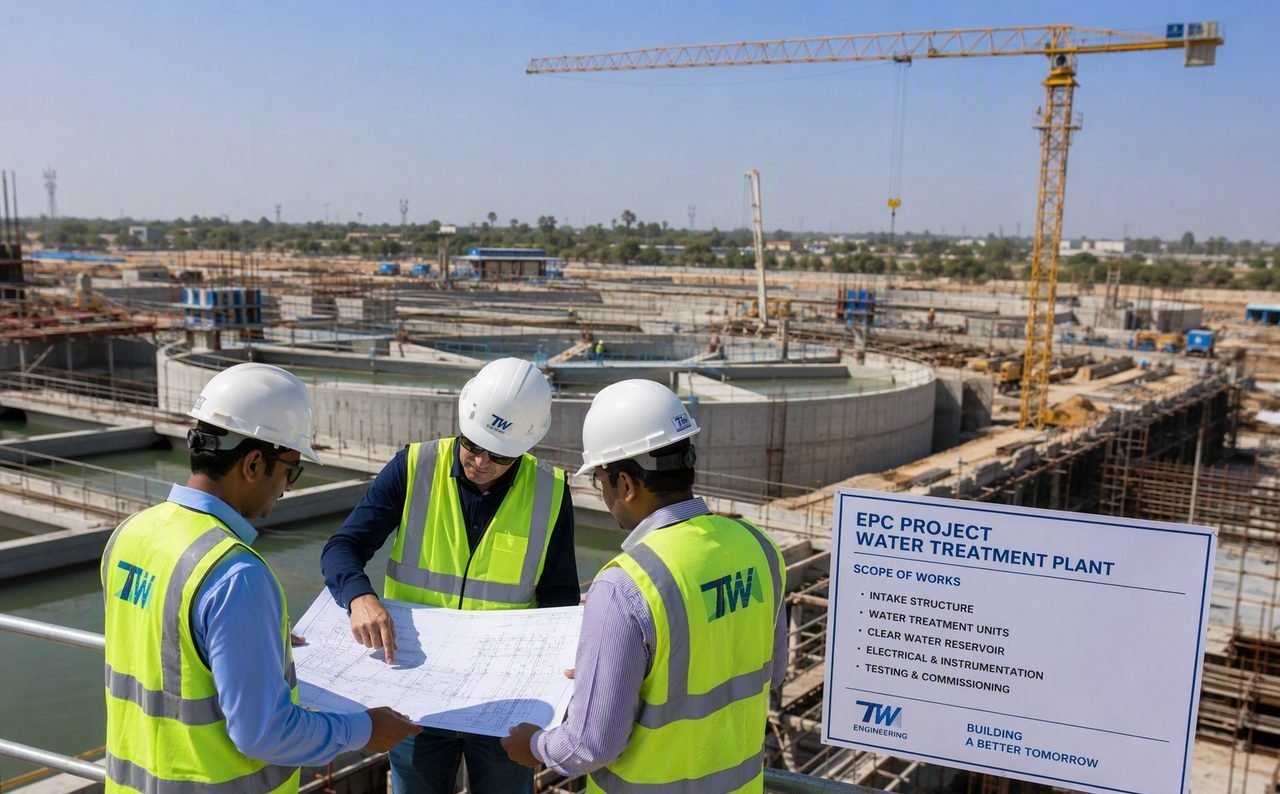
La solution BioTerraVa
Integrated Physical-Chemical Design
BioTerraVa designs physical-chemical treatment as an integrated component of the overall treatment train. We select reagents, optimize dosing, and design solids separation to achieve target effluent quality at minimum operating cost.
- Coagulation-flocculation with alum, ferric chloride, or PAC for TSS and phosphorus
- Chemical precipitation with lime, caustic, or sulfide for heavy metals
- Activated carbon adsorption for organics, colour, and emerging contaminants
- DAF or clarifier solids separation with optimized sludge handling
- Automated chemical dosing with online analyzers and feed-forward control
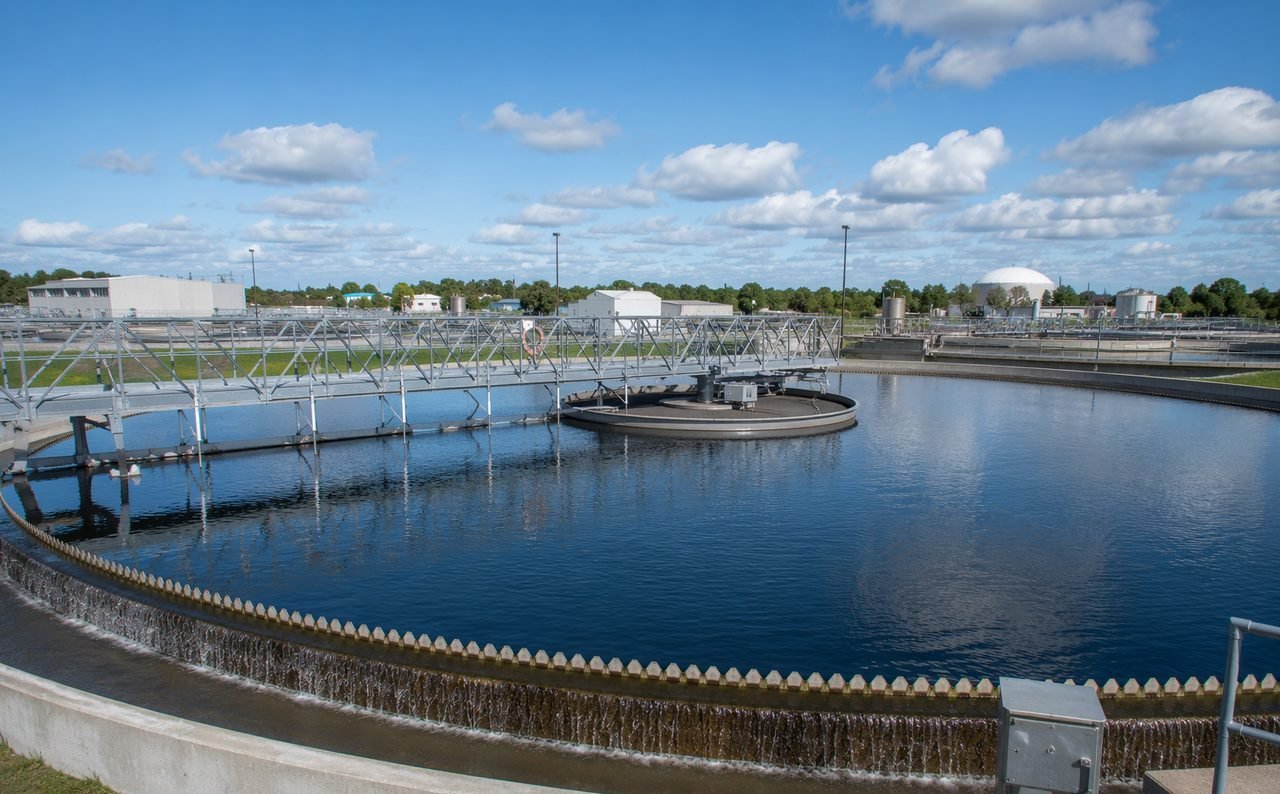
Technologies
Technologies que nous déployons
Coagulation-Flocculation
Rapid mixing and flocculation for particle aggregation.
Chemical Precipitation
Hydroxide, sulfide, or carbonate precipitation for metals.
Activated Carbon
PAC or GAC adsorption for organics and micropollutants.
DAF/Clarifiers
Solids separation with optimized sludge removal.
Résultats
Physical-Chemical Treatment Results
>95%
Metals removal
<0.1
mg/L phosphorus
99%
Colour removal
40%
Chemical cost savings
BioTerraVa physical-chemical systems consistently achieve >95% heavy metals removal, <0.1 mg/L phosphorus, and >99% colour removal while minimizing chemical costs through optimized dosing and reagent selection.
Voyez comment nous avons résolu cela pour a Metal Finishing Facility
Téléchargez l'étude de cas complète ou parlez avec un ingénieur principal.
Ressources connexes
Industries desservies
Technologies
FAQ
Questions fréquemment posées
How to remove heavy metals from wastewater?
Heavy metals are removed through chemical precipitation as hydroxides (using lime or caustic soda at pH 8-10), sulfides (using sodium sulfide for metals that don't precipitate well as hydroxides), or carbonates. After precipitation, solids are separated by clarification or DAF. BioTerraVa's proprietary mineral media provides additional metals capture as a polishing step, achieving >95% removal for Cr, Ni, Zn, Cu, and Pb.
What chemicals are used in wastewater treatment?
Common chemicals in wastewater treatment include: coagulants (alum, ferric chloride, polyaluminum chloride), flocculants (polymers), pH adjusters (caustic soda, sulfuric acid, lime), disinfectants (chlorine, sodium hypochlorite, UV), nutrients (urea, phosphoric acid for biological systems), and specialized reagents (sodium sulfide for metals, activated carbon for organics). BioTerraVa optimizes chemical selection to minimize cost and sludge production.
How to remove phosphorus from wastewater?
Phosphorus is removed biologically (enhanced biological phosphorus removal, EBPR) or chemically. Chemical phosphorus removal uses metal salts (ferric chloride or alum) that precipitate phosphate as metal phosphates. For very low limits (<0.1 mg/L), a two-stage approach is used: biological removal to 0.5-1.0 mg/L followed by chemical polishing with alum or ferric. BioTerraVa also offers struvite recovery, which turns phosphorus disposal into a revenue stream.
Parlez avec un P.Eng. qui fait cela depuis 36 ans
Obtenez une consultation gratuite de 30 minutes. Réponse sous 1 jour ouvrable, sans obligation.
Réservez votre consultation gratuite →