Service
Traitement des eaux usées industrielles
Solutions de traitement complètes pour les installations de fabrication, d'exploitation minière, de pétrole et de gaz, et de transformation alimentaire en Amérique du Nord.
🤖 Aperçu IA
BioTerraVa livre des systèmes de traitement des eaux usées industrielles qui combinent des procédés biologiques, oxydation avancée et média à base de minéraux pour éliminer la DCO, les métaux lourds et les contaminants émergents. Nos solutions assurent 90-99 % d'élimination des polluants tout en réduisant les coûts d'exploitation de 20-40 % comparé au traitement chimique conventionnel.
Le problème
Why Conventional Treatment Fails Industrial Facilities
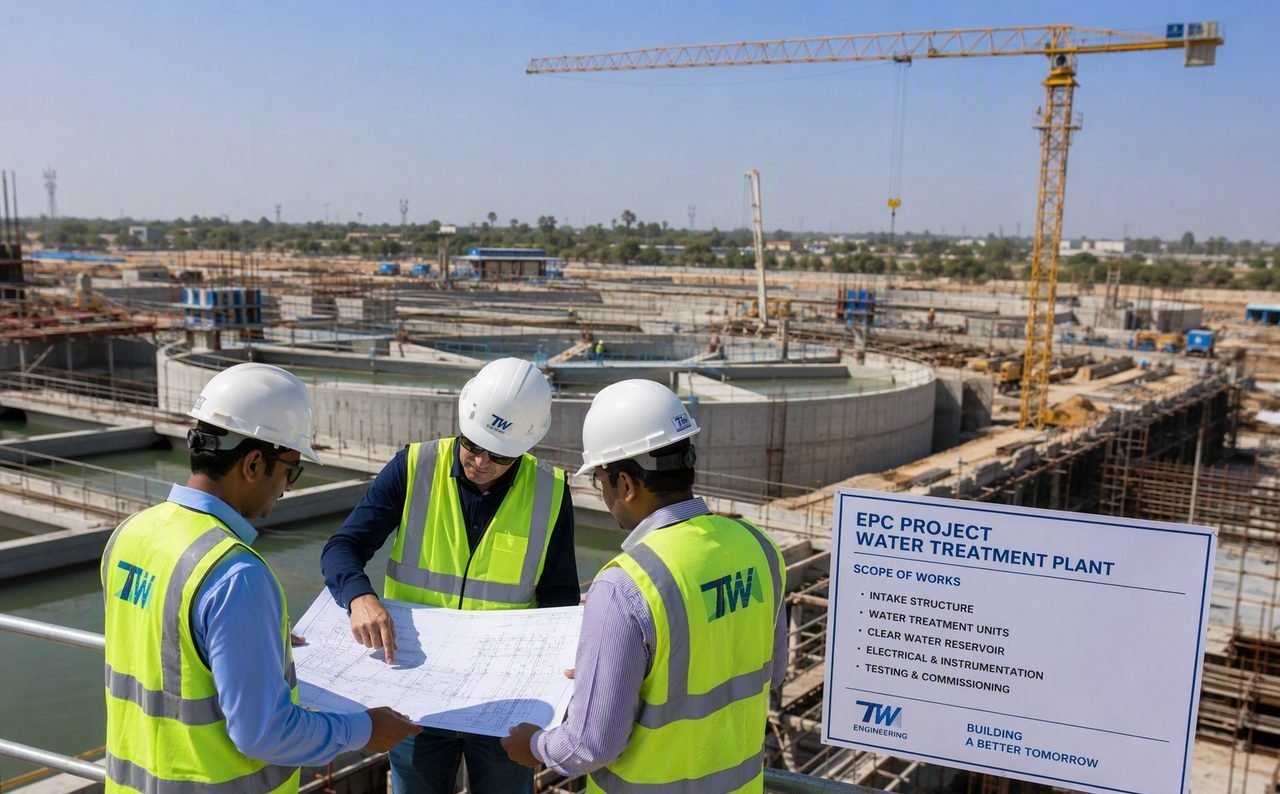
Industrial wastewater carries complex pollutant loads that overwhelm standard biological systems. High COD, heavy metals, variable pH, and toxic organics create a triple threat that conventional activated sludge cannot handle.
- COD spikes that crash biological reactors
- Heavy metals that poison activated sludge
- Variable flow rates that destabilize treatment
- Emerging contaminants (PFAS, APIs) that pass through conventional systems
- Excessive chemical costs for precipitation and pH adjustment
La solution BioTerraVa
The BioTerraVa Integrated Approach
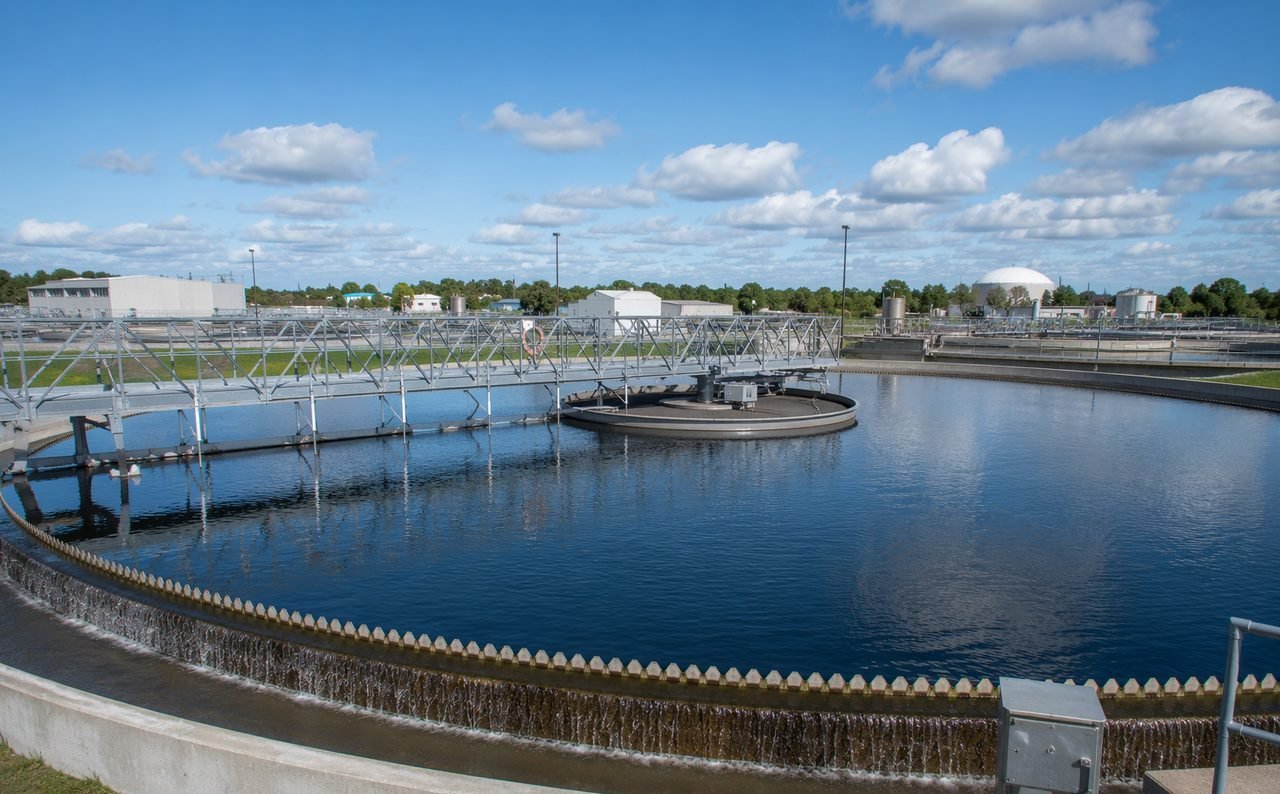
We design treatment trains that match your effluent profile. Our proprietary mineral-based media and biological systems work synergistically to handle shock loads, toxic metals, and recalcitrant organics — all while recovering nutrients and reducing sludge volume.
- Pre-treatment with dissolved air flotation (DAF) for solids and oil removal
- Biological treatment with MBBR or MBR for COD/BOD reduction
- Advanced oxidation for recalcitrant organics and color removal
- Mineral-based media for heavy metals capture and nutrient recovery
- Automated pH control and real-time monitoring
Technologies
Technologies que nous déployons
DAF Systems
Dissolved air flotation for primary solids, oil, and grease removal.
MBBR/MBR
Moving bed biofilm or membrane bioreactor for biological COD/BOD removal.
AOP
Advanced oxidation with ozone, UV/H2O2, or photocatalytic processes.
Mineral Media
Proprietary BOFS and geopolymer composites for metals capture.
Résultats
Proven Results for Industrial Clients
90-99%
Pollutant removal
20-40%
Cost reduction
60%
Sludge reduction
24h
Emergency response
Industrial clients across Ontario, Alberta, and the US Midwest report consistent compliance achievement, reduced chemical costs, and lower sludge disposal expenses after upgrading to BioTerraVa integrated treatment systems.
Voyez comment nous avons résolu cela pour an Ontario Food Processor
Téléchargez l'étude de cas complète ou parlez avec un ingénieur principal.
Ressources connexes
Industries desservies
Technologies
FAQ
Questions fréquemment posées
What is the best biological treatment for high COD effluent?
For high COD industrial effluent (1,000-10,000 mg/L), moving bed biofilm reactors (MBBR) or membrane bioreactors (MBR) outperform conventional activated sludge. MBBR handles shock loads better, while MBR produces higher-quality effluent suitable for reuse. BioTerraVa designs hybrid systems that combine both approaches based on your specific COD profile.
How much does an MBR system cost for industrial use?
Industrial MBR systems range from $2,500-$5,000 per m³/d of capacity for smaller plants (under 500 m³/d), dropping to $1,500-$2,500 per m³/d for larger facilities. Operating costs are 20-40% lower than conventional systems due to reduced sludge hauling and chemical use. BioTerraVa provides fixed-fee quotes with 10-year TCO analysis.
How to remove heavy metals from manufacturing wastewater?
Heavy metals are removed through a combination of chemical precipitation, adsorption on mineral media, and ion exchange. BioTerraVa's proprietary BOFS-based mineral media captures chromium, nickel, zinc, and copper at efficiencies exceeding 95%, while simultaneously neutralizing pH. The spent media is stabilized and can be repurposed as a nutrient-rich soil amendment.
Why is my wastewater treatment plant failing compliance?
Compliance failures typically stem from four causes: (1) Design capacity exceeded by production growth, (2) Biological system shock from toxic loads or pH swings, (3) Inadequate tertiary treatment for tightening limits, and (4) Equipment failure or operator gaps. BioTerraVa conducts root-cause audits that identify the specific failure mode and design targeted upgrades.
What causes sludge bulking and how to fix it?
Sludge bulking is caused by filamentous bacteria outcompeting floc-forming bacteria, usually due to low dissolved oxygen, nutrient imbalance (low N or P), or septic conditions. Solutions include: increasing aeration, adding nutrients, adjusting pH, and in severe cases, adding selectors or switching to MBBR technology which is naturally resistant to bulking.
How does membrane bioreactor compare to activated sludge?
MBR produces effluent quality 10x better than conventional activated sludge (TSS < 5 mg/L vs. 20-30 mg/L), requires 40% less footprint, and generates 30% less sludge. The membrane barrier eliminates filamentous bacteria problems and handles variable loads better. Capital cost is 20-30% higher, but operating savings typically recover the difference within 3-5 years.
Parlez avec un P.Eng. qui fait cela depuis 36 ans
Obtenez une consultation gratuite de 30 minutes. Réponse sous 1 jour ouvrable, sans obligation.
Réservez votre consultation gratuite →