Service
Conception et modernisation d'usine de traitement des effluents (UTE)
Services de conception-construction, modernisation et E&M pour des usines de traitement des effluents de 100 m³/j à 100 000 m³/j.
🤖 Aperçu IA
BioTerraVa conçoit et modernise des usines de traitement des effluents (UTE) pour des installations industrielles au Canada et aux États-Unis. Nos solutions UTE intègrent des procédés biologiques, physico-chimiques et d'oxydation avancée pour respecter les limites de rejet NPDES, RESEE et spécifiques au site tout en minimisant les coûts d'exploitation.
Le problème
Common ETP Failure Modes
Effluent treatment plants fail for predictable reasons: hydraulic overload, organic shock loads, inadequate tertiary treatment, and poor process control. Each failure mode has a specific engineering solution.
- Hydraulic overload from production expansion or stormwater intrusion
- Organic shock loads that crash biological reactors
- Inadequate tertiary treatment for tightening phosphorus or nitrogen limits
- Poor sludge management causing TSS exceedances
- Lack of real-time monitoring and automated control
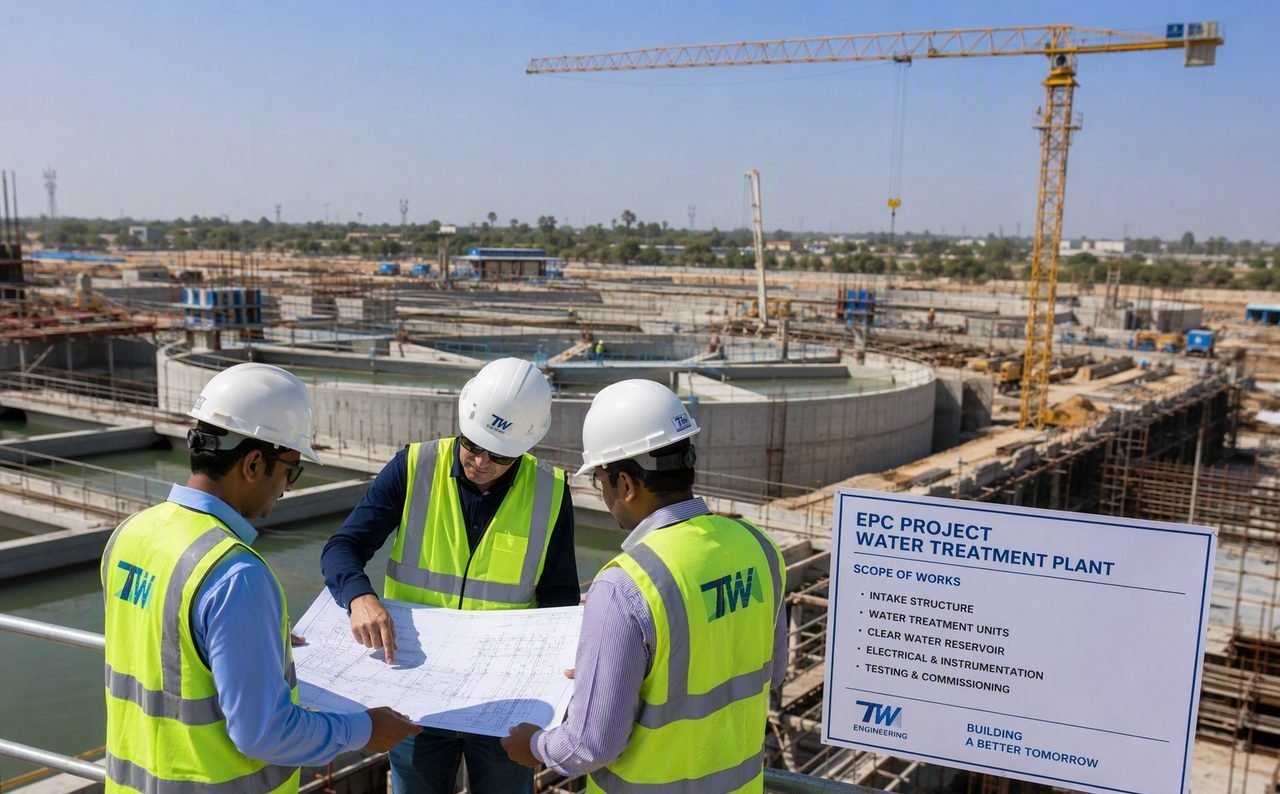
La solution BioTerraVa
ETP Design-Build & Upgrade Services
We provide full-lifecycle ETP services from feasibility study through commissioning. Our designs prioritize operability, energy efficiency, and compliance resilience — built by a senior P.Eng. with 36+ years of hands-on plant experience.
- Process design and equipment specification
- Hydraulic and process modeling (BioWin, GPS-X)
- Civil, mechanical, and electrical design coordination
- Construction management and commissioning
- Operator training and O&M manual development
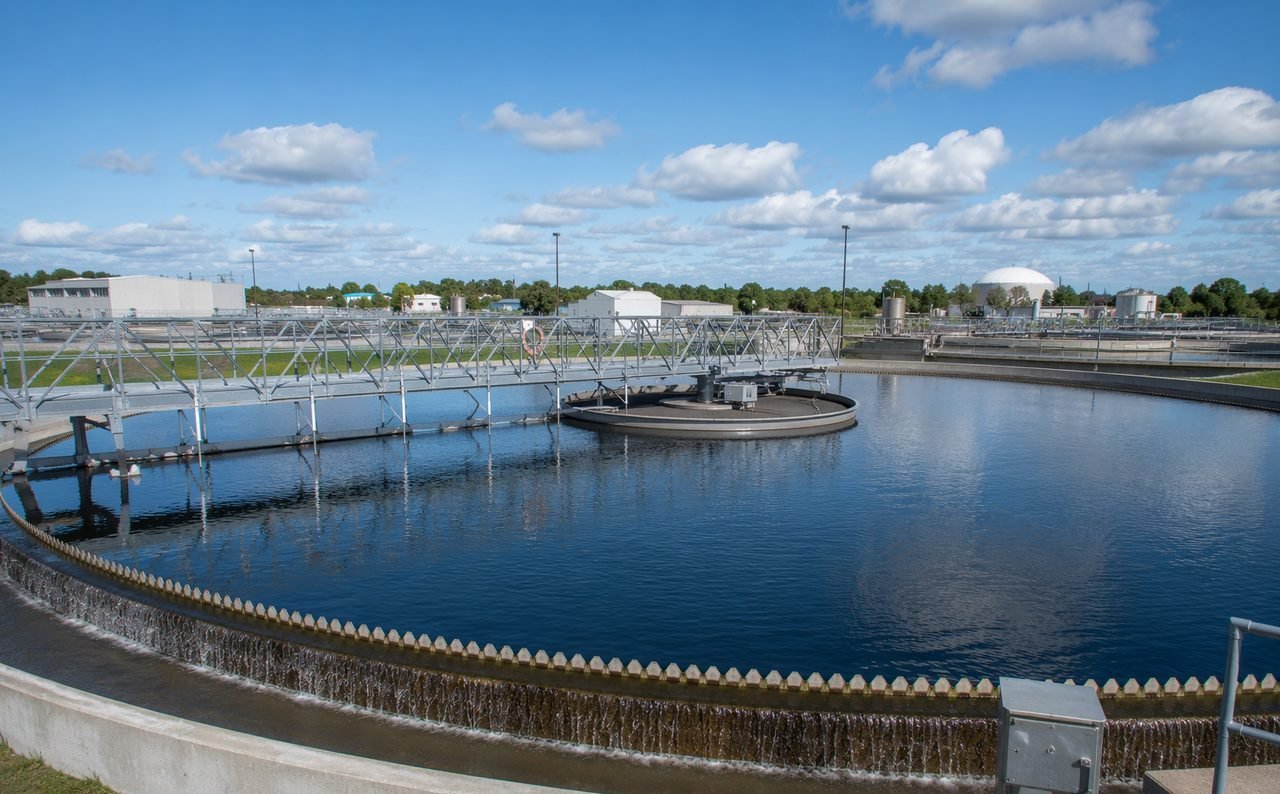
Technologies
Technologies que nous déployons
Process Simulation
BioWin and GPS-X modeling for design validation.
Compact DAF
Primary solids and oil removal in minimal footprint.
MBBR/MBR
High-rate biological treatment for COD/BOD removal.
Tertiary Filtration
Cloth media or membrane filtration for final polishing.
Résultats
ETP Performance Improvements
99%
Compliance rate
30%
Energy savings
50%
Sludge reduction
3-5yr
Typical ROI
BioTerraVa-designed ETPs consistently outperform legacy systems in compliance reliability, energy efficiency, and operator friendliness. Our phased construction approach ensures zero production downtime during upgrades.
Voyez comment nous avons résolu cela pour an Ontario Textile Mill
Téléchargez l'étude de cas complète ou parlez avec un ingénieur principal.
Ressources connexes
Industries desservies
Technologies
FAQ
Questions fréquemment posées
Why Your Effluent Treatment Plant is Failing Compliance (And How to Fix It)
ETP compliance failures usually trace to one of four causes: (1) Design capacity exceeded by production growth, (2) Biological system upset from toxic shock or nutrient imbalance, (3) Inadequate tertiary treatment for new limits, or (4) Equipment failure. BioTerraVa conducts structured audits using process simulation and field testing to identify the root cause and design targeted upgrades.
How to achieve zero liquid discharge in manufacturing?
Zero liquid discharge (ZLD) requires a treatment train that progressively concentrates wastewater until only solid waste remains. The typical sequence is: pretreatment → biological → reverse osmosis → evaporator/crystallizer. BioTerraVa designs ZLD systems that recover 85-95% of process water for reuse, with the remaining solids stabilized for landfill or beneficial reuse.
How to control pH in industrial effluent treatment?
Industrial effluent pH control requires automated dosing with acid or alkali, typically using caustic soda (NaOH) or sulfuric acid (H2SO4) with online pH analyzers and PID controllers. BioTerraVa designs pH neutralization systems with surge tanks, mixing chambers, and backup dosing to prevent excursions. For streams with extreme pH swings, we use magnesium hydroxide which provides stable buffering in the 8-9 range.
What is nutrient recovery from sewage?
Nutrient recovery extracts valuable nitrogen and phosphorus from wastewater as struvite (MgNH4PO4·6H2O), a slow-release fertilizer. The process uses magnesium addition to precipitate phosphorus and ammonia in a crystalline form. BioTerraVa's proprietary mineral media naturally promotes struvite formation, turning a disposal cost into a revenue stream while reducing effluent nutrient loads.
Parlez avec un P.Eng. qui fait cela depuis 36 ans
Obtenez une consultation gratuite de 30 minutes. Réponse sous 1 jour ouvrable, sans obligation.
Réservez votre consultation gratuite →