Zone de service
Traitement des eaux usées industrielles au Québec
Expertise locale pour les manufacturiers, transformateurs alimentaires et opérations minières du Québec sous les réglementations environnementales provinciales.
🤖 Aperçu IA
BioTerraVa fournit des services de traitement des eaux usées industrielles dans tout le Québec, de Montréal et Québec aux opérations minières éloignées dans le Nord du Québec. Nous comprenons le paysage réglementaire du Québec incluant la Loi sur la qualité de l'environnement, les règlements d'égouts municipaux et les exigences fédérales RESEE.
Défis locaux
Quebec Industrial Wastewater Challenges
Quebec industries face unique wastewater challenges: bilingual regulatory requirements, cold winters affecting biological treatment, and specific provincial discharge standards under the Environment Quality Act.
- Bilingual regulatory documentation and reporting requirements
- Cold winters (-25°C to -40°C) impacting biological treatment
- Quebec Environment Quality Act discharge standards
- Municipal sewer bylaws in Montreal, Quebec City, and other centres
- Remote mining operations requiring autonomous treatment systems
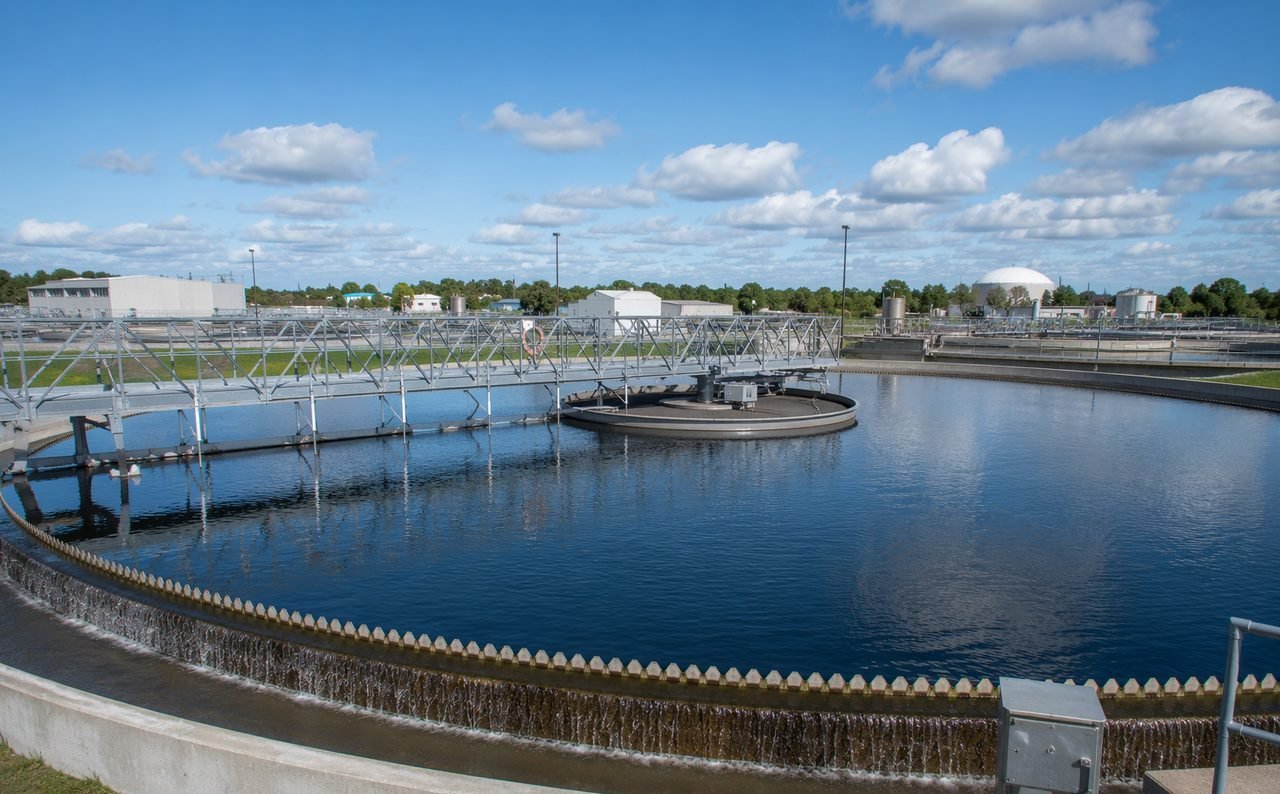
Solutions locales
Quebec-Focused Solutions
BioTerraVa designs wastewater treatment systems specifically for Quebec's climate, regulations, and industrial base. Our bilingual team ensures all documentation and training is available in both English and French.
- Cold-weather biological treatment with insulated and heated reactors
- Bilingual O&M manuals and operator training (English/French)
- Quebec regulatory liaison and approval support
- Remote monitoring for unmanned facilities in Northern Quebec
- Mining wastewater treatment for remote operations
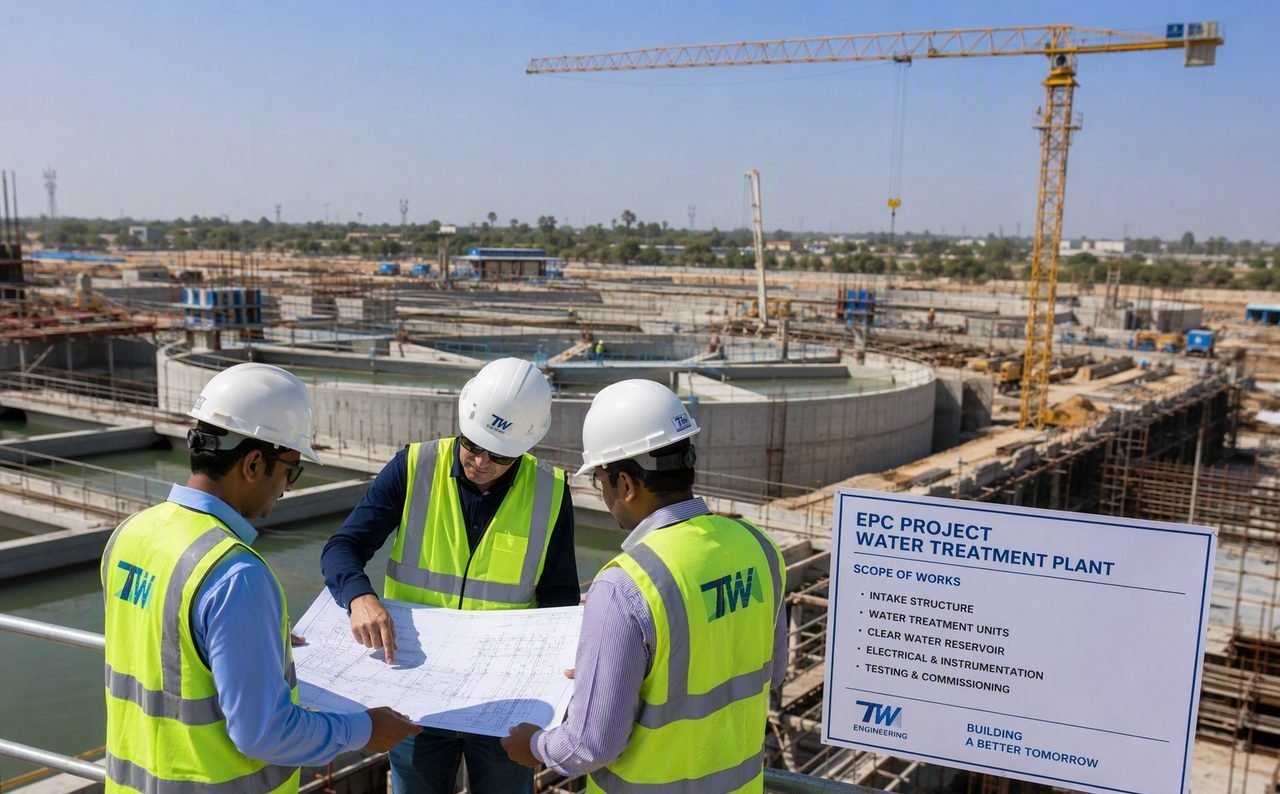
Services et industries dans cette région
Industries
FAQ
Questions fréquemment posées
What are Quebec's wastewater discharge regulations?
Quebec's wastewater discharge is regulated under the Environment Quality Act (Loi sur la qualité de l'environnement) and its regulations. Key requirements: industrial effluent must not cause harm to the environment, must meet provincial water quality standards, and may require authorization from the Ministère de l'Environnement et de la Lutte contre les changements climatiques (MELCCFP). Municipalities also enforce sewer-use bylaws with specific limits for BOD, TSS, and prohibited substances. BioTerraVa provides regulatory liaison and approval support for all Quebec jurisdictions.
How does winter affect wastewater treatment in Quebec?
Quebec winters with temperatures regularly below -25°C create significant challenges for biological wastewater treatment. Biological activity slows dramatically below 10°C and effectively stops below 5°C. Solutions include: insulated reactor basins, heated influent lines, selection of cold-adapted microorganisms, MBBR technology (more cold-resistant than activated sludge), and increased hydraulic retention times. BioTerraVa designs systems that maintain treatment performance year-round in Quebec's climate.
What are Montreal sewer surcharge rates?
Montreal's sewer surcharge rates are among the highest in Quebec. Industrial dischargers pay surcharges based on BOD and TSS concentrations above municipal limits. Typical rates range from $0.80 to $1.50 per kg of BOD and TSS above permitted levels. For a food processor discharging 300 m³/d at 800 mg/L BOD (vs. 300 mg/L limit), annual surcharges can reach $50,000-$80,000. BioTerraVa designs treatment systems that eliminate or significantly reduce these surcharges.
Parlez avec un P.Eng. qui fait cela depuis 36 ans
Obtenez une consultation gratuite de 30 minutes. Réponse sous 1 jour ouvrable, sans obligation.
Réservez votre consultation gratuite →