Industry
Municipal Wastewater Treatment
Design, upgrade, and optimization of municipal wastewater treatment plants for communities across Ontario and Quebec.
🤖 AI Overview
BioTerraVa provides municipal wastewater treatment services from feasibility studies through commissioning. Our designs prioritize energy efficiency, nutrient removal, and climate resilience — backed by a senior P.Eng. with 36+ years of experience in plants from 500 m³/d to 700,000 m³/d.
Industry Challenges
Municipal WWTP Challenges
Municipal wastewater treatment plants face growing challenges: aging infrastructure, tightening nutrient limits, climate change impacts, and budget constraints. These pressures require innovative, cost-effective solutions.
- Aging infrastructure requiring major capital investment
- Tightening phosphorus limits (<0.1 mg/L in Great Lakes basin)
- Ammonia limits requiring nitrification in cold climates
- Inflow and infiltration increasing wet-weather flows
- Rising energy costs affecting operating budgets
BioTerraVa Solutions
Municipal Treatment Solutions
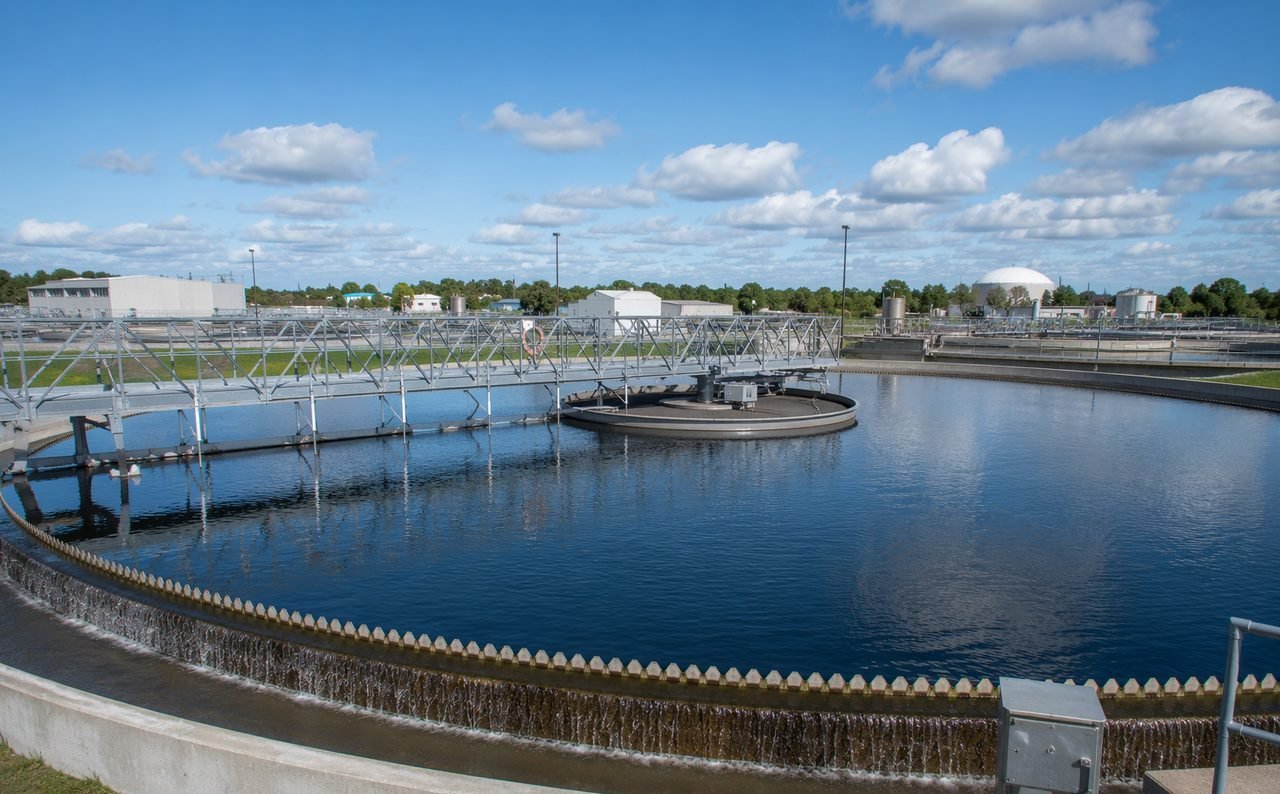
BioTerraVa designs municipal wastewater treatment systems that balance capital efficiency, operating cost, and regulatory compliance. Our expertise spans activated sludge, MBBR, MBR, nutrient removal, and biosolids management.
- Activated sludge and MBBR design for BOD/COD removal
- Biological nutrient removal (BNR) for nitrogen and phosphorus
- MBR retrofit for capacity expansion in limited footprints
- Aeration optimization for 15-30% energy savings
- Biosolids management and beneficial reuse programs
Compliance
Municipal Compliance Requirements
Municipal wastewater treatment in Canada is regulated under the Wastewater Systems Effluent Regulations (WSER) under the Fisheries Act. In Ontario, facilities must also comply with O. Reg. 537/93 and municipal bylaws.
- WSER: BOD ≤ 25 mg/L, TSS ≤ 25 mg/L (federal)
- Phosphorus limits: 0.1-1.0 mg/L depending on jurisdiction
- Ammonia limits for cold-water fisheries protection
- Ontario Regulation 537/93 for sewage works approval
- Climate adaptation requirements for extreme weather
Case Study
Small Municipality Upgrades to MBR, Eliminates Surcharges
Problem: A 2,000 m³/d municipal plant in Eastern Ontario was facing $80,000/year in sewer surcharge penalties due to periodic BOD and TSS exceedances. The 40-year-old plant had no tertiary treatment and insufficient capacity for seasonal population growth.
Solution: BioTerraVa designed an MBR retrofit: replacement of existing clarifiers with membrane bioreactor modules, upgrade of aeration system with fine-bubble diffusers, and addition of automated process control.
Results: BOD reduced from 35-45 mg/L to <5 mg/L. TSS reduced from 25-35 mg/L to <3 mg/L. Surcharges eliminated. Capacity increased from 2,000 to 3,500 m³/d in same footprint. Energy costs reduced 20% through optimized aeration.
Get a Free Assessment for Your Facility
Speak with a senior engineer about your specific effluent challenges.
Book a Free 30-Minute Consultation →Related Resources
Services
Technologies
FAQ
Frequently Asked Questions
What is the best technology for municipal wastewater treatment?
The best technology depends on plant size, effluent requirements, and site constraints: (1) Activated sludge is most common for large plants (>10,000 m³/d) with moderate effluent requirements, (2) MBBR is preferred for cold climates and capacity upgrades, (3) MBR is best for water reuse, strict limits, or footprint constraints, and (4) BNR (biological nutrient removal) is essential for phosphorus and ammonia limits. BioTerraVa evaluates all options and recommends the most cost-effective solution for each community.
How much does it cost to upgrade a municipal wastewater plant?
Municipal WWTP upgrade costs range from $500-$2,000 per m³/d of capacity depending on technology and scope. MBR retrofits are at the high end ($1,500-$2,500/m³/d) but deliver the best effluent quality. MBBR additions are more economical ($800-$1,500/m³/d) and ideal for capacity expansion. BioTerraVa provides phased upgrade options that spread capital costs over multiple budget cycles.
What are WSER requirements for municipal plants?
The Wastewater Systems Effluent Regulations (WSER) under Canada's Fisheries Act require municipal plants to meet: BOD ≤ 25 mg/L, TSS ≤ 25 mg/L, and a chlorine residual limit (if chlorination is used). These are minimum federal standards; provinces and municipalities may impose stricter limits, particularly for phosphorus, ammonia, and E. coli. Plants must also conduct acute lethality testing and meet toxicity requirements.
Speak With a P.Eng. Who Has Done This for 36 Years
Domestic or industrial, municipal or Indigenous community — the first 30-minute consultation is free.
Book Your Free Consultation →