Service Area
Industrial Wastewater Treatment in the USA
NPDES compliance, EPA regulations, and state-specific requirements for US industrial facilities.
🤖 AI Overview
BioTerraVa provides industrial wastewater treatment expertise for US facilities across the Northeast, Midwest, and Great Lakes regions. We navigate the complex US regulatory landscape including EPA NPDES permits, Clean Water Act requirements, and state-specific discharge standards.
Local Challenges
US Wastewater Compliance Challenges
US industrial facilities face a complex regulatory environment with federal EPA standards, state-specific requirements, and potential citizen suit liability under the Clean Water Act.
- EPA effluent limitation guidelines (ELGs) for specific industries
- State-specific water quality standards stricter than federal minimums
- NPDES permit renewal and modification requirements
- Citizen suit provisions creating liability exposure
- Emerging contaminant regulations (PFAS, microplastics)
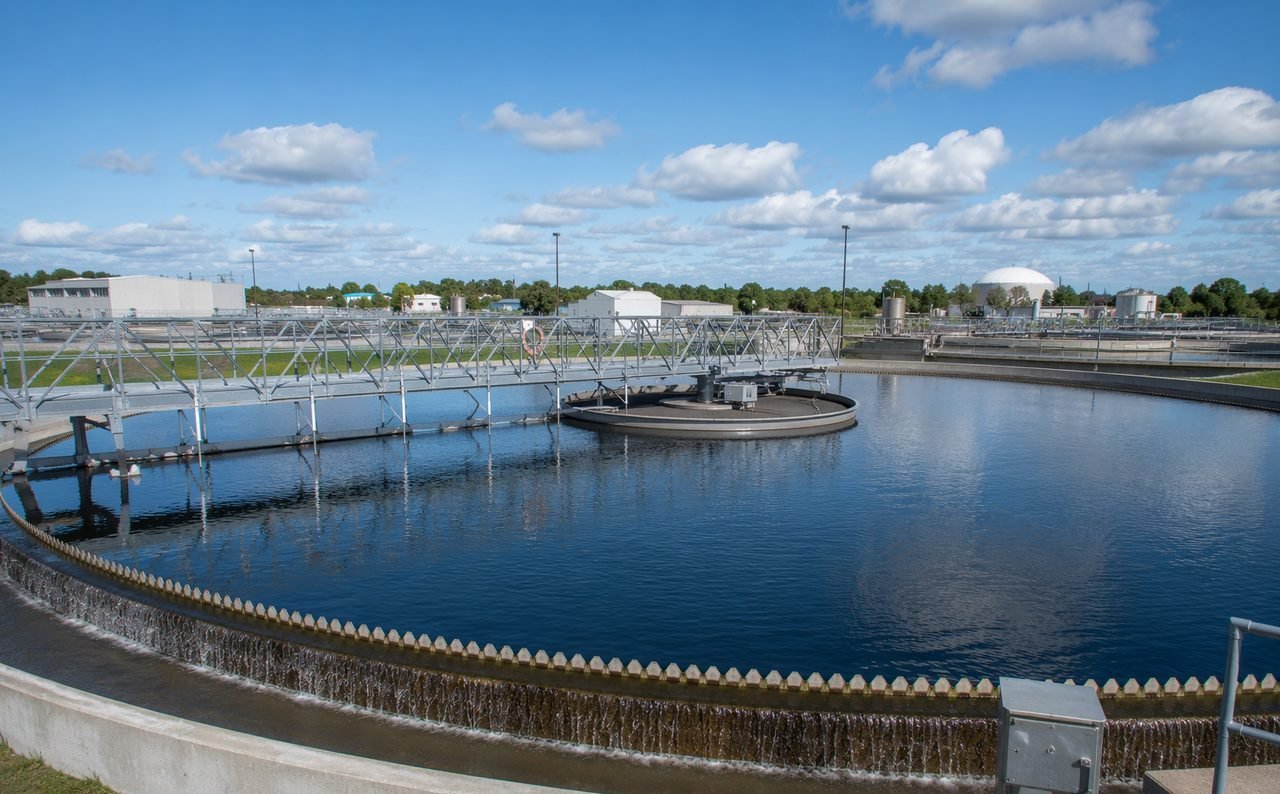
Local Solutions
US Compliance Solutions
BioTerraVa provides US-focused wastewater treatment design and compliance support. Our senior P.Eng. understands both Canadian and US regulatory frameworks, enabling effective cross-border project delivery.
- NPDES permit application and renewal support
- EPA effluent limitation guideline compliance
- State water quality standard interpretation
- Treatment design for emerging contaminant requirements
- Best Available Technology (BAT) assessment
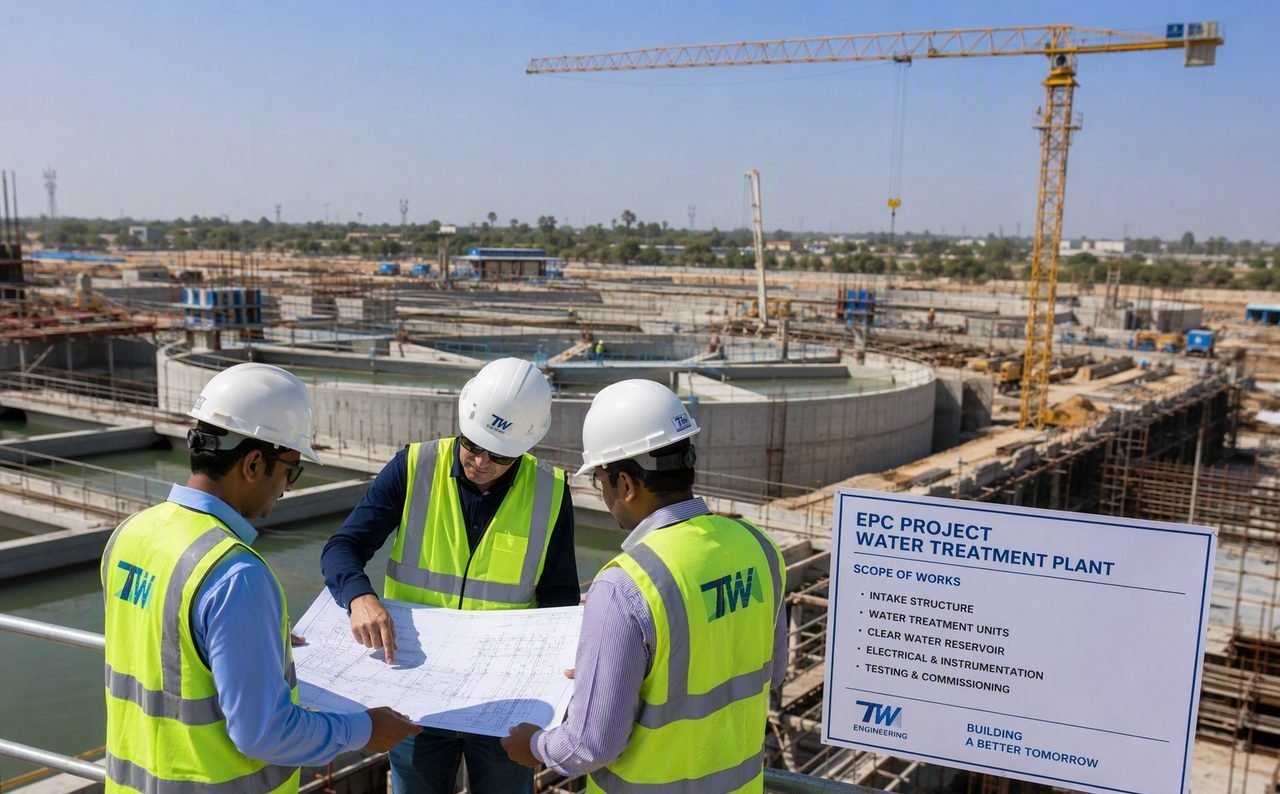
Services & Industries in This Region
FAQ
Frequently Asked Questions
What is an NPDES permit?
The National Pollutant Discharge Elimination System (NPDES) permit is the primary mechanism under the US Clean Water Act for regulating direct discharges of pollutants to waters of the United States. NPDES permits set effluent limits based on: (1) Technology-based standards (Best Available Technology), and (2) Water quality-based standards (site-specific limits to protect receiving waters). Permits are issued by EPA or authorized state agencies and typically require monthly Discharge Monitoring Reports (DMRs). BioTerraVa provides NPDES permit application support, compliance monitoring, and treatment design services.
How do EPA effluent limitation guidelines work?
EPA effluent limitation guidelines (ELGs) are technology-based regulations that set national standards for specific industries. ELGs are based on the performance of the Best Available Technology (BAT) economically achievable. They apply to both direct dischargers (with NPDES permits) and indirect dischargers (to POTWs). Currently, EPA has ELGs for 59 industrial categories including: metal finishing, pulp and paper, petroleum refining, and food processing. BioTerraVa ensures treatment designs meet or exceed applicable ELGs with compliance margin.
What are the penalties for Clean Water Act violations?
Clean Water Act violations carry civil penalties up to $66,086 per day per violation (adjusted annually for inflation). Criminal penalties for knowing violations can reach $50,000 per day and 3 years imprisonment. Additionally, citizen suits under the Clean Water Act can add further liability and require payment of plaintiffs' legal fees. The best defense against penalties is proactive compliance monitoring, early detection of issues, and immediate corrective action. BioTerraVa designs compliance programs that minimize violation risk.
Speak With a P.Eng. Who Has Done This for 36 Years
Get a free 30-minute consultation. Response within 1 business day, no obligation.
Book Your Free Consultation →