Service Area
Industrial Wastewater Treatment in British Columbia
Solutions for BC's diverse industries including forestry, mining, food processing, and technology manufacturing.
🤖 AI Overview
BioTerraVa provides industrial wastewater treatment services across British Columbia, from Vancouver and the Lower Mainland to remote mining and forestry operations. We understand BC's regulatory environment including the Environmental Management Act, municipal bylaws, and federal Fisheries Act requirements.
Local Challenges
BC Industrial Wastewater Challenges
British Columbia's diverse economy and sensitive aquatic ecosystems create unique wastewater treatment challenges. The province has some of Canada's most stringent environmental standards, particularly for salmon-bearing waters.
- Stringent standards for salmon-bearing waters (low temperature, low toxicity)
- High rainfall and variable flows affecting treatment stability
- Remote forestry and mining operations with limited access
- Growing tech sector with specialized manufacturing wastewater
- Municipal sewer bylaws in Vancouver, Victoria, and other centres
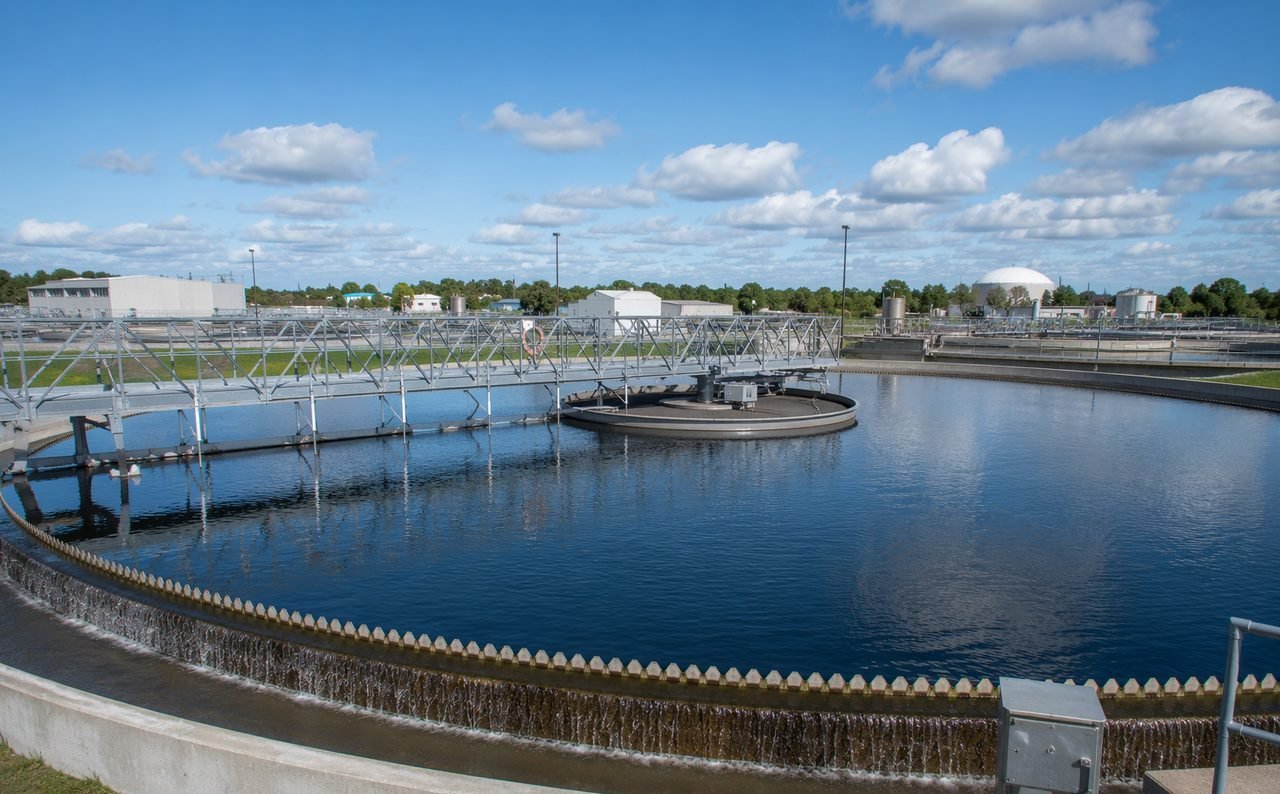
Local Solutions
BC-Focused Treatment Solutions
BioTerraVa designs wastewater treatment systems that meet BC's stringent environmental standards while addressing the operational realities of remote locations and variable flows.
- Low-temperature biological treatment for salmon-bearing watersheds
- High-flow equalization for rainfall-dominated regions
- Containerized and modular systems for remote sites
- Forestry effluent treatment for BOD, TSS, and toxicity
- Mining wastewater treatment for metals and selenium
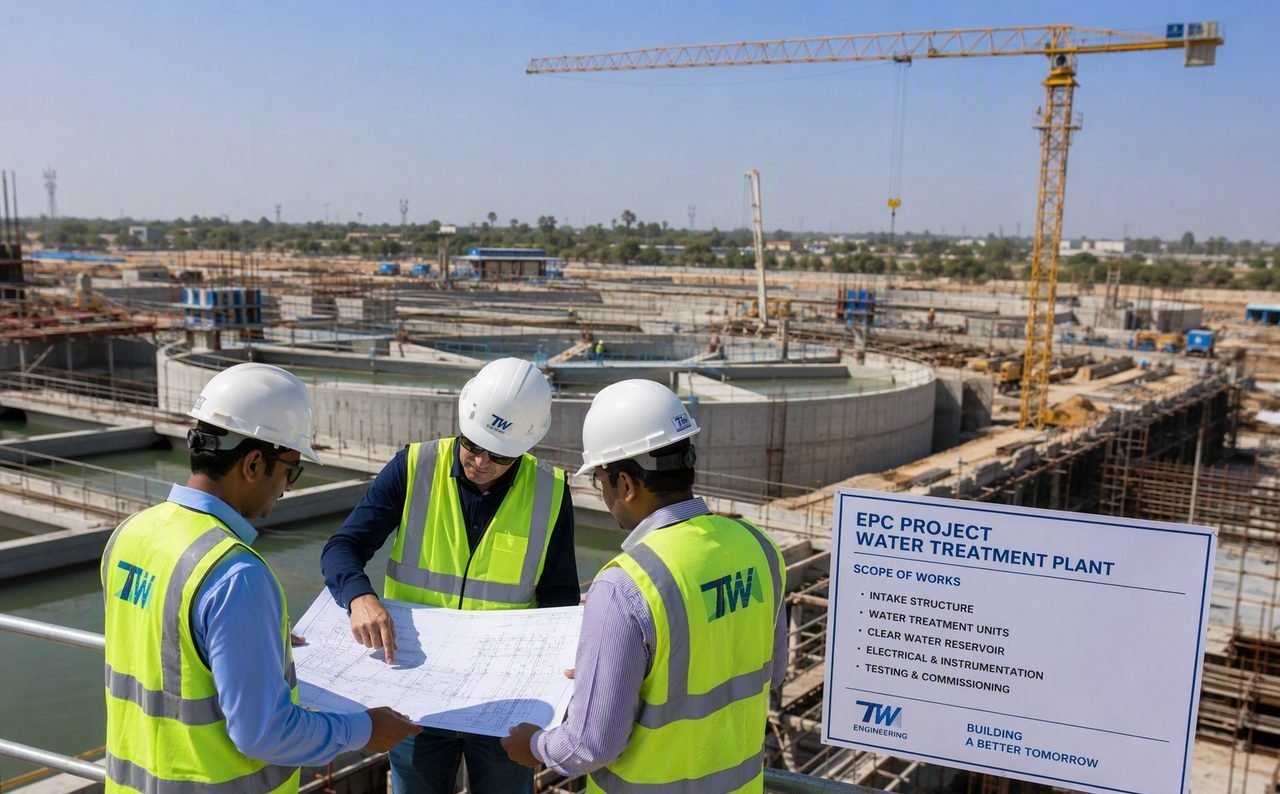
Services & Industries in This Region
Industries
FAQ
Frequently Asked Questions
What are BC's wastewater discharge standards?
BC's wastewater discharge is regulated under the Environmental Management Act and the Municipal Wastewater Regulation. Key standards: BOD and TSS limits vary by facility size and receiving environment, with stricter limits for discharges to salmon-bearing waters. The province requires: acute lethality testing, toxicity reduction evaluations for non-compliant facilities, and nutrient management plans for phosphorus-sensitive watersheds. Vancouver and other municipalities have additional sewer-use bylaws. BioTerraVa provides regulatory liaison and compliance support for all BC jurisdictions.
How to treat forestry wastewater in BC?
Forestry wastewater in BC includes effluent from sawmills, pulp mills, and wood treatment facilities. Key contaminants: BOD (100-2,000 mg/L), TSS (50-500 mg/L), resin acids, and toxicity to fish. Treatment approaches: primary clarification for solids removal, biological treatment (activated sludge or MBBR) for BOD removal, and tertiary treatment for toxicity reduction. BC's strict standards for salmon-bearing waters often require advanced treatment to achieve low toxicity. BioTerraVa designs systems that meet BC's environmental standards while managing the seasonal variability typical of forestry operations.
What are Vancouver's sewer discharge requirements?
Vancouver's sewer-use bylaw (Sewer and Watercourse Bylaw) regulates industrial discharges to the sanitary sewer system. Limits include: BOD < 300 mg/L, TSS < 350 mg/L, oil & grease < 15 mg/L, pH 5.5-10.5, and prohibitions on toxic substances, flammable materials, and solids that may obstruct flow. Vancouver also has a source control program that requires certain industries to install pre-treatment. Non-compliance can result in fines and termination of sewer service. BioTerraVa designs pre-treatment systems that ensure full compliance with Vancouver's requirements.
Speak With a P.Eng. Who Has Done This for 36 Years
Get a free 30-minute consultation. Response within 1 business day, no obligation.
Book Your Free Consultation →