Service Area
Industrial Wastewater Treatment in Alberta
Solutions for oil & gas, mining, and industrial operations under Alberta Energy Regulator and provincial environmental standards.
🤖 AI Overview
BioTerraVa provides industrial wastewater treatment services across Alberta, from Edmonton and Calgary to remote oil sands and mining operations. We understand Alberta's regulatory framework including AER directives, provincial water regulations, and federal WSER requirements for municipal systems.
Local Challenges
Alberta Industrial Wastewater Challenges
Alberta's industrial base — oil & gas, mining, agriculture — generates diverse and challenging wastewater streams. Cold winters, remote locations, and stringent regulatory requirements add complexity.
- Oil sands produced water with high TDS and naphthenic acids
- Mining wastewater with selenium, arsenic, and heavy metals
- Cold winters (-30°C to -40°C) affecting biological treatment
- Remote locations requiring autonomous, low-maintenance systems
- AER Directive 058 and provincial water allocation requirements
Local Solutions
Alberta-Focused Solutions
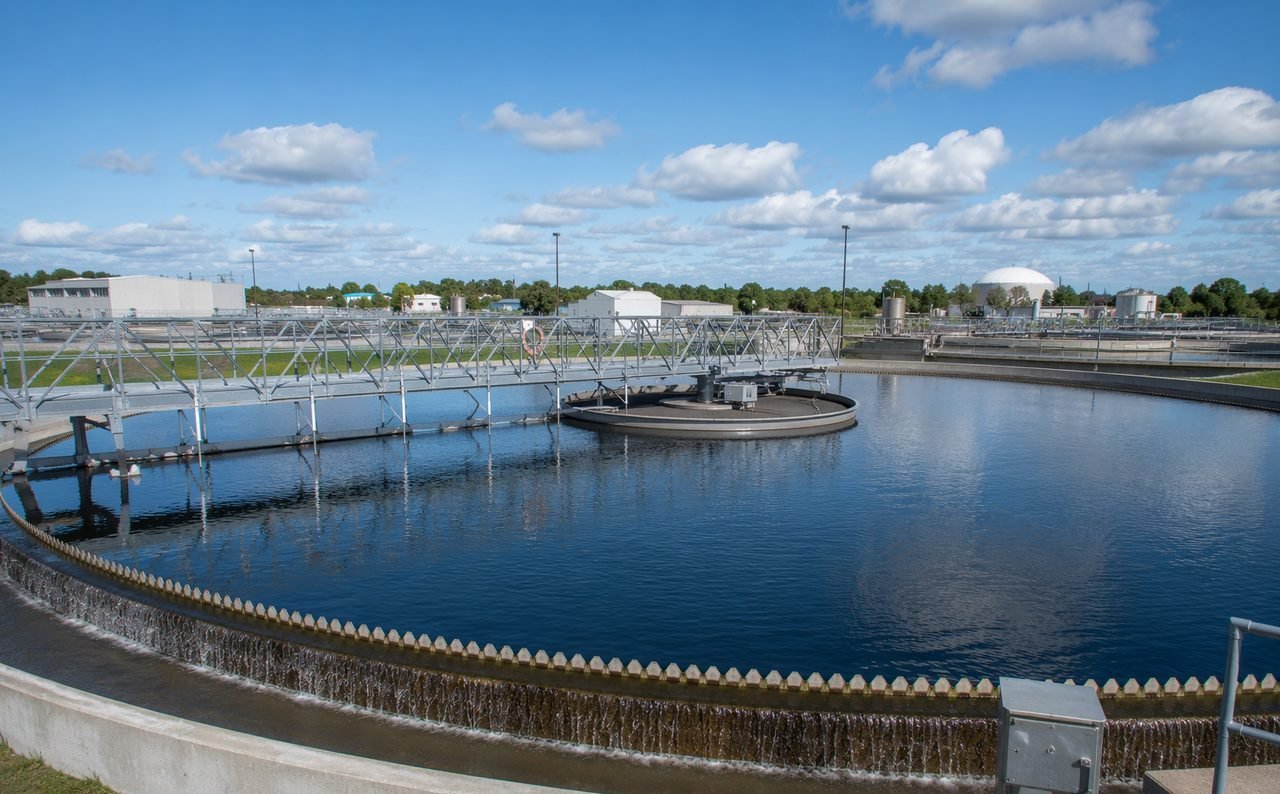
BioTerraVa designs wastewater treatment systems for Alberta's unique industrial and environmental conditions. Our cold-climate expertise and remote system design capabilities ensure reliable operation in challenging conditions.
- Cold-climate biological treatment with temperature-compensated design
- Produced water treatment for oil & gas reuse and disposal
- Mining wastewater metals and selenium removal
- Remote monitoring and automation for unmanned facilities
- AER compliance support and regulatory liaison
Services & Industries in This Region
Industries
FAQ
Frequently Asked Questions
What are Alberta's wastewater discharge regulations?
Alberta's wastewater discharge is regulated by the Alberta Energy Regulator (AER) for oil and gas operations, Alberta Environment and Parks (AEP) for industrial and municipal discharges, and the federal government through WSER for municipal systems. Key regulations include: AER Directive 058 (oilfield waste management), AEP wastewater codes of practice, and the Water Act for water allocation and use. Direct dischargers require approvals with site-specific effluent limits. BioTerraVa provides regulatory liaison and approval support for all Alberta jurisdictions.
How to treat oil sands produced water?
Oil sands produced water contains high TDS (up to 30,000 mg/L), naphthenic acids, suspended solids, and residual bitumen. Treatment approaches include: oil-water separation (API separators, flotation), suspended solids removal (filtration, centrifugation), dissolved organics removal (adsorption, biological treatment), and desalination (RO, evaporation) for reuse. Due to high TDS, biological treatment is often limited. BioTerraVa evaluates treatment options based on end-use requirements and regulatory constraints.
What are the challenges of mining wastewater treatment in Alberta?
Alberta mining wastewater treatment faces challenges including: remote locations with limited infrastructure, extreme cold requiring freeze-resistant designs, selenium and arsenic removal requirements (AER Directive 058), variable flow rates tied to seasonal precipitation, and high TDS from formation water. BioTerraVa designs systems that operate reliably in these conditions using mineral-based treatment processes that function across wide temperature ranges and require minimal operator attention.
Speak With a P.Eng. Who Has Done This for 36 Years
Get a free 30-minute consultation. Response within 1 business day, no obligation.
Book Your Free Consultation →