Service
MBBR Moving Bed Biofilm Reactor Systems
High-rate biological treatment with minimal footprint, no sludge bulking, and shock-load resilience for industrial and municipal applications.
🤖 AI Overview
MBBR (Moving Bed Biofilm Reactor) technology uses free-floating plastic carriers with attached biofilm to achieve high-rate biological treatment without the sludge settling problems of conventional activated sludge. BioTerraVa designs MBBR systems that handle 3-5x higher organic loads than activated sludge in 40% less space, with no risk of sludge bulking.
The Problem
Activated Sludge Limitations MBBR Solves
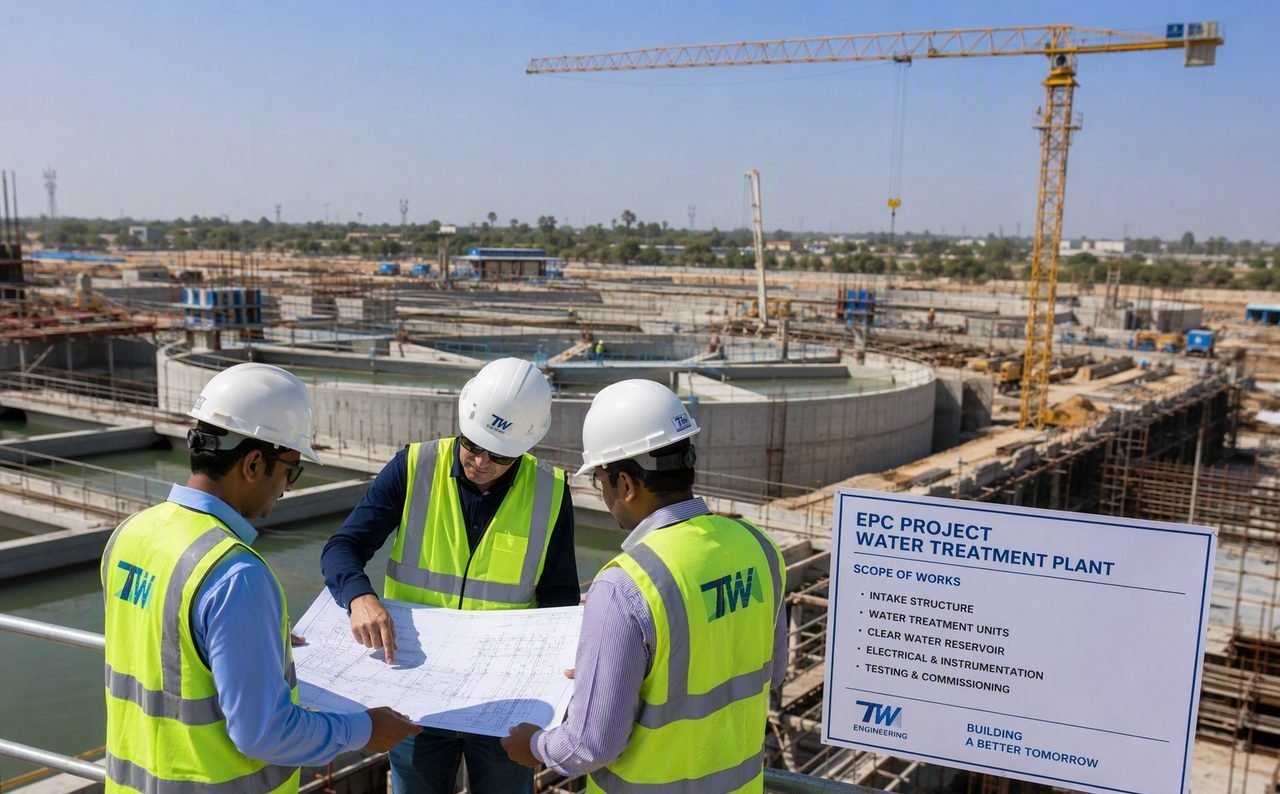
Conventional activated sludge systems suffer from sludge bulking, washout during peak flows, and sensitivity to toxic shocks. These problems cause permit violations, high operator stress, and costly chemical additions.
- Sludge bulking and poor settling in secondary clarifiers
- Washout of biomass during hydraulic or organic shock loads
- Sensitivity to toxic chemicals, pH swings, and temperature changes
- Large footprint requirements for aeration basins and clarifiers
- High sludge production and disposal costs
The BioTerraVa Solution
BioTerraVa MBBR Design Approach
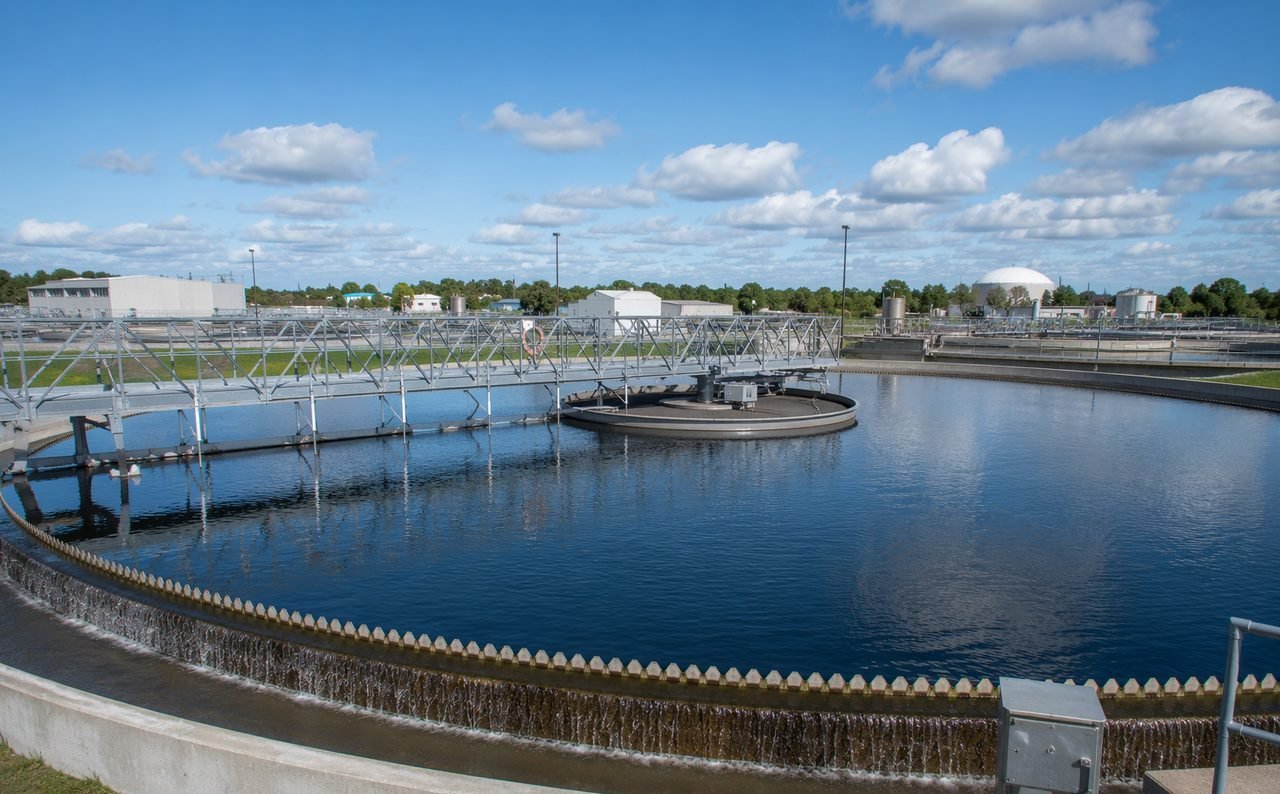
Our MBBR systems use specially designed biofilm carriers that provide 500-800 m² of active surface area per m³ of reactor volume. The biofilm is protected inside the carrier, making it naturally resistant to shock loads, toxins, and washout.
- 500-800 m²/m³ specific surface area for high biomass inventory
- No sludge recycle or clarifier required (for some configurations)
- Handles 3-5x higher organic loading rates than activated sludge
- Operates effectively from 5°C to 40°C with minimal temperature adjustment
- Compact footprint: 40-60% smaller than conventional activated sludge
Technologies
Technologies We Deploy
K1/K3 Media
Industry-standard HDPE carriers with protected surface area.
AnoxKaldnes
Premium carriers with optimized hydrodynamics for industrial applications.
IFAS Hybrid
Integrated fixed-film activated sludge combining MBBR with suspended biomass.
Smart Aeration
DO-controlled aeration with variable-frequency drives for energy savings.
Results
MBBR Performance Advantages
3-5x
Higher loading rate
40-60%
Smaller footprint
Zero
Sludge bulking risk
20-30%
Lower energy use
MBBR technology is the preferred upgrade path for overloaded activated sludge plants, cold-climate facilities, and industrial applications with variable organic loads. BioTerraVa's senior P.Eng. designs ensure proper media selection, aeration design, and solids separation for your specific application.
See How We Solved This for a Dairy Processing Facility
Download the full case study or speak with a senior engineer.
Related Resources
Industries Served
Technologies
FAQ
Frequently Asked Questions
What is a Moving Bed Biofilm Reactor (MBBR)?
An MBBR is a biological wastewater treatment process that uses small plastic carriers (media) with attached biofilm that move freely in the reactor. The carriers provide protected surface area for bacteria to grow, allowing much higher biomass concentrations than conventional activated sludge. MBBR can be used as a standalone process or as a pre-treatment step before activated sludge or MBR.
MBBR vs. MBR: Which is better for my application?
Choose MBBR when: (1) Capital budget is constrained, (2) Existing infrastructure can be retrofitted, (3) Effluent quality requirements are moderate (TSS < 30 mg/L acceptable), or (4) High organic loading with shock loads is expected. Choose MBR when: (1) Water reuse is required, (2) Effluent TSS must be < 5 mg/L, (3) Footprint is severely limited, or (4) Existing clarifiers have failed. BioTerraVa evaluates both options for every project.
How much does an MBBR system cost?
MBBR capital costs range from $800-$2,500 per m³/d of capacity, depending on scale, wastewater characteristics, and whether new tanks or retrofits are needed. Operating costs are 20-30% lower than conventional activated sludge due to reduced sludge production and no need for polymer dosing in clarifiers. For retrofit applications, MBBR is typically the lowest-cost biological upgrade option.
Can MBBR handle cold climates?
Yes. Because the biofilm is protected inside the carriers, MBBR maintains treatment performance at temperatures as low as 5°C, where conventional activated sludge would fail. At temperatures below 5°C, we design with increased carrier fill ratios (up to 67%) and insulated basins. BioTerraVa has designed MBBR systems for operation in Northern Ontario and Alberta with winter temperatures below -30°C.
Speak With a P.Eng. Who Has Done This for 36 Years
Get a free 30-minute consultation. Response within 1 business day, no obligation.
Book Your Free Consultation →